This company has no active jobs
0 Review
Rate This Company ( No reviews yet )

Wooden Pallets Supplier
(0)Information Company
- Total Jobs 0 Jobs
- Full Address 10 Sunnyside Road
Something About Company
9 . What Your Parents Teach You About Pallets Manufacturer
The Role of Pallet Manufacturers in Modern Logistics
In today’s fast-paced global economy, the function of pallet producers is more critical than ever. Pallets, typically considered approved, are the unrecognized heroes of supply chains, making the transportation and storage of goods efficient and affordable. This blog site post digs into the complex world of pallet production, the different kinds of pallets offered, making procedures, and their significance in different markets.
Comprehending Pallets
Before diving into the specifics of pallet manufacturers, it’s important to understand what pallets are and their value. A pallet is a flat structure, usually made from wood, plastic, or metal, that supports items in a steady manner throughout storage and transportation. They permit the easy handling of products using forklifts and pallet jacks and can be stacked to make the most of space.
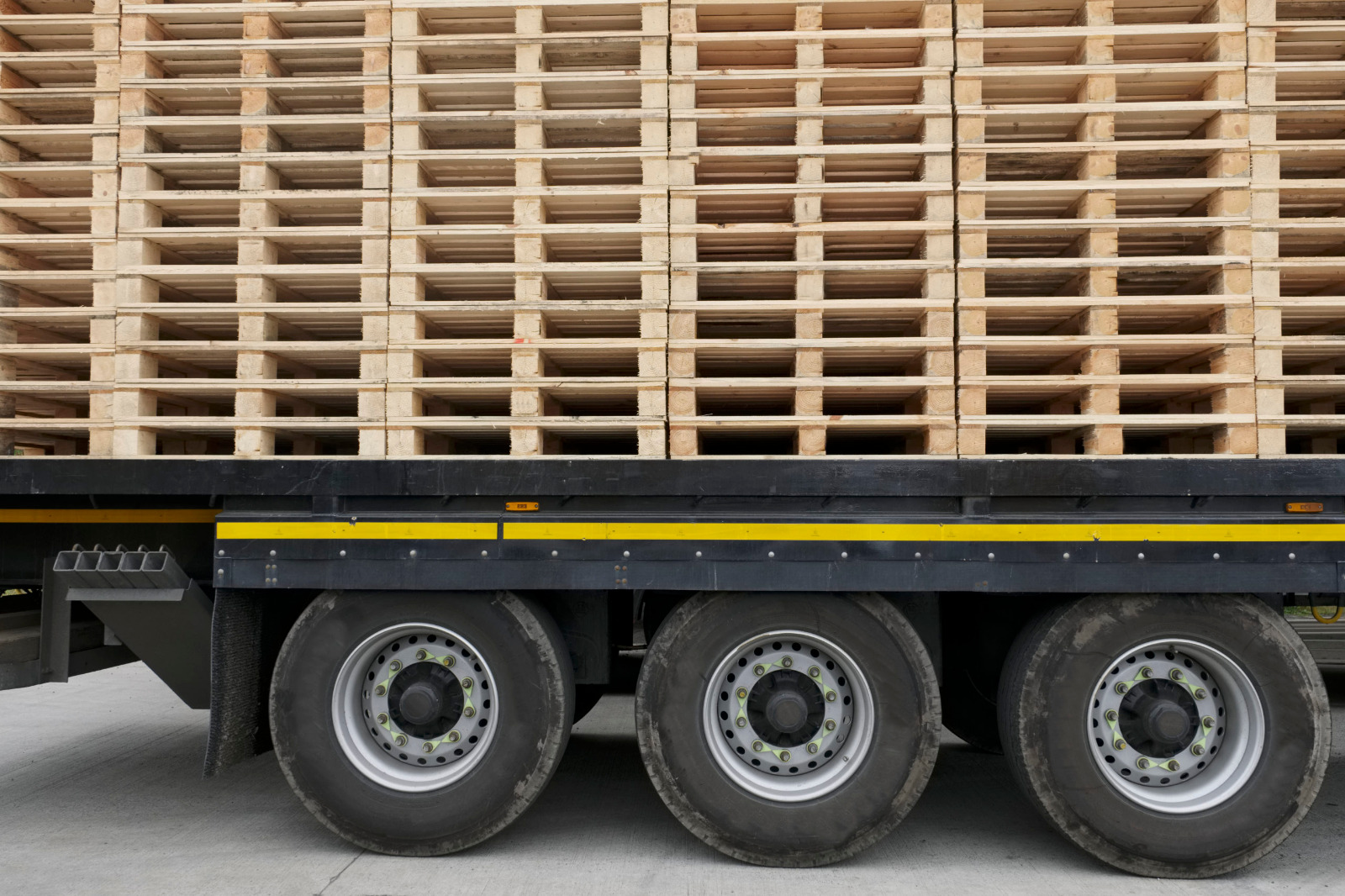
Table 1: Types of Pallets
| Pallet Type | Product | Features | Common Uses |
|---|---|---|---|
| Wooden Pallets | Wood | Long lasting, affordable, easily fixed | Warehousing, shipping, retail |
| Plastic Pallets | Plastic | Light-weight, resistant to moisture, hygienic | Food and pharmaceutical industries |
| Metal Pallets | Metal | Sturdy, long-lasting, safe | Automotive parts, heavy equipment |
| Paper Pallets | Paper | Lightweight, recyclable | Retail, light goods |
| Composite Pallets | Mixed Materials | Durable and weather condition resistant | Robotics, automated storage systems |
The Manufacturing Process
Pallet production is a meticulous process involving numerous phases to guarantee quality and resilience. Here’s a better take a look at the production actions:
-
Material Selection: The type and quality of materials chosen will determine the pallet’s toughness, weight capacity, and cost-effectiveness.
-
Cutting and Shaping: Raw products are cut to shapes and size into the required pallet style. This consists of any essential reinforcements.
-
Assembly: Pieces are put together utilizing nails, screws, or adhesives, depending on the products used.
-
Ending up: Some pallets are sanded for a smoother surface, dealt with for insect resistance, or painted for recognition.
-
Quality assurance: Finished pallets undergo quality checks to guarantee they satisfy industry requirements and customer specs.
Table 2: Manufacturing Methods
| Method | Description | Advantages |
|---|---|---|
| Conventional Woodworking | Handmade approaches that use personalization | High craftsmanship and originality |
| Automated Processes | Usage of equipment and robotics for mass production | Increased performance, lower costs |
| Injection Molding | For plastic pallets, materials are heated up and molded | Consistency and toughness |
| Pushing | Compressing products into shape for paper pallets | Environmentally friendly and light-weight |
Significance of Pallets in Various Industries
Pallets are made use of across diverse industries, each needing particular designs and materials. Below are some crucial sectors that rely heavily on pallets:
-
Manufacturing: Ensures items are kept and delivered effectively, often making use of wooden Pallets manufacturer for heavy products.
-
Retail: Enables sellers to stock and display products without jeopardizing security, often using a mix of plastic and wooden pallets.
-
Food and Beverage: Emphasizes hygiene and moisture resistance, making plastic pallets a preferred option.
-
Health care and Pharmaceuticals: Requires strict compliance with safety standards, triggering using specifically designed plastic pallets.
-
E-commerce: Supports the fast fulfillment of online orders, frequently requiring versatile pallet designs for different item sizes.
Table 3: Industry-Specific Pallet Requirements
| Market | Product Preferred | Secret Feature Required |
|---|---|---|
| Food and Beverage | Plastic | Resistant to moisture, simple to tidy |
| Pharmaceuticals | Plastic or Lightweight Wood | Sterile, robust against contamination |
| Automotive | Metal | Durable, able to endure rigors |
| E-commerce | Composite | Flexible and capable of different loads |
| General Manufacturing | Wood | Affordable and strong for bulk storage |
Challenges Faced by Pallet Manufacturers
While pallet production is important to logistics, it is not without its difficulties:
-
Sustainability: There is increasing pressure to embrace sustainable practices, consisting of sourcing environment-friendly products.
-
International Supply Chain Issues: Material shortages can delay production, impacting delivery timelines.
-
Market Demand Fluctuation: Manufacturers should adapt to seasonal demand changes, which can affect operational performance.
-
Regulatory Compliance: Compliance with safety and ecological guidelines can include complexity to manufacturing procedures.
Often Asked Questions (FAQ)
Q1: What is the typical lifespan of a wooden pallet?A1: A common wooden pallet can last from 5 to 15 years, depending on usage, maintenance, and ecological conditions.
Q2: Can pallets be recycled?A2: Yes, a lot of
pallets can be fixed and recycled several times before being recycled into new products.
Q3: Are plastic pallets better than wooden ones?A3: It depends upon the application. Plastic pallets are normally more hygienic and resilient, while wooden pallets are frequently cheaper and much easier to fix. Q4: How do I pick the ideal pallet for my business?A4:
Consider elements such as the kind of items being managed, weight limitations
, hygiene requirements, and cost-efficiency. Pallet producers play a crucial role in the logistics and supply chain community
, supplying vital support for numerous industries. By comprehending the types of pallets offered, the manufacturing process, and the importance of pallets in various sectors, businesses can make educated choices about their logistics requirements. Sustainability, effectiveness, and versatility are essential styles that loom big in the market, making it crucial for manufacturers to stay ahead of obstacles while continually innovating. As supply chains develop, so too will the technologies and procedures behind pallet manufacturing, strengthening their status as important assets in the transportation of products.
