This company has no active jobs
0 Review
Rate This Company ( No reviews yet )

Used Wooden Pallets
(0)Information Company
- Total Jobs 0 Jobs
- Full Address 1499 James Street
Something About Company
The 10 Most Scariest Things About Buy New Pallets
Buy New Pallets: A Comprehensive Guide for Businesses
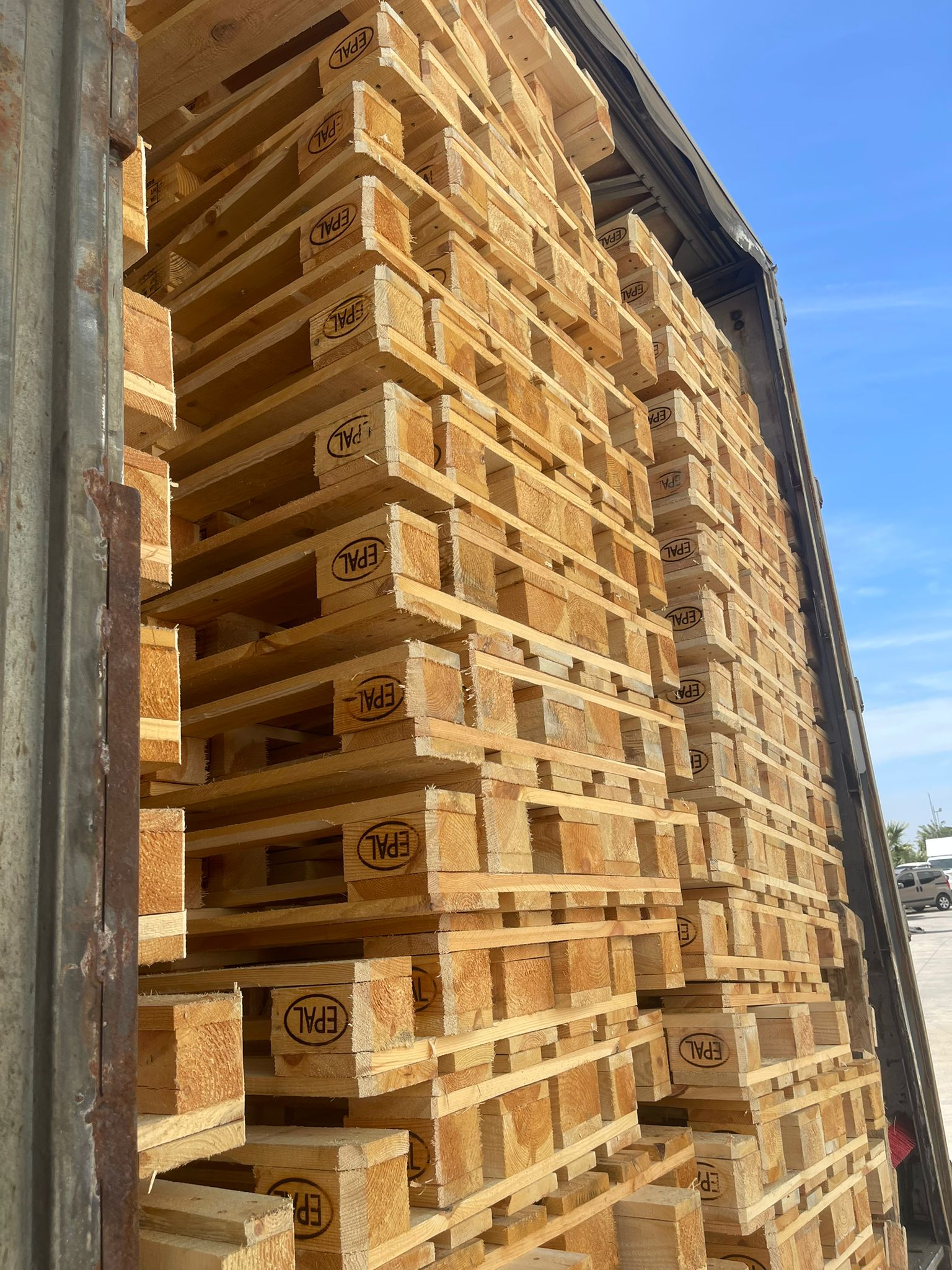
Pallets are a vital element of supply chain and logistics management, supplying a tough base for the transport and storage of items. For organizations that depend on these versatile platforms, the decision to buy new pallets is important. In this blog post, we’ll explore the different aspects of purchasing new pallets, including types of pallets, factors to consider, benefits of new pallets, and frequently asked questions, complete with tables for a clearer understanding.
Comprehending Pallet Types
When thinking about purchasing new pallets, it’s essential to acknowledge the different types available. Below is a table describing the most typical pallet types and their functions:
| Pallet Type | Material | Weight Capacity | Common Usage |
|---|---|---|---|
| Wooden Pallets | Softwood/Hardwood | Up to 4,600 lbs | General shipping and storage |
| Plastic Pallets | HDPE/PP | Approximately 3,000 lbs | Food, pharmaceuticals, and harmful goods |
| Metal Pallets | Aluminum/Steel | Up to 10,000 lbs | Heavy-duty industrial applications |
| Cardboard Pallets | Corrugated | As much as 1,500 lbs | Lightweight items and export shipping |
| Composite Pallets | Mix of products | As much as 2,000 pounds | Versatile usage across industries |
Advantages and disadvantages of Each Type
Comprehending the advantages and downsides of each pallet type can assist services make a notified choice:
| Pallet Type | Advantages | Disadvantages |
|---|---|---|
| Wooden Pallets | Extensively readily available and cost-effective | Prone to splinters and insects |
| Plastic Pallets | Long lasting and easy to tidy | More costly than wood |
| Metal Pallets | Ultimate resilience and strength | Heavier and can be more costly |
| Cardboard Pallets | Lightweight and eco-friendly | Less resilient under heavy loads |
| Composite Pallets | Stronger than wood, lighter than metal | Greater initial expense |
Elements to Consider When Buying New Pallets
Before acquiring new pallets, businesses ought to think about several elements that can significantly impact their choice:
-
Load Capacity: Analyze the weight of the items you mean to transfer and make sure the pallets can deal with the load.
-
Pallet Size: Standard sizes are normally 48″x40″, but services might require custom sizes depending on their requirements.
-
Product: Determine the very best material based on the particular usage case– analyze the environment and product nature.
-
Resilience Requirements: Consider how often pallets will be recycled and the conditions they will face, such as exposure to wetness or chemicals.
-
Regulative Compliance: Some markets require pallets to satisfy particular guidelines (e.g., ISPM 15 for wooden pallets).
-
Expense: New pallets can vary substantially in cost; it’s essential to assess your budget plan while making sure quality.
| Factors to consider | Information |
|---|---|
| Load Capacity | Ensure pallets can handle your particular product weights |
| Pallet Size | Basic or custom-made sizes, based upon storage and transport |
| Product | Alternatives like wood, plastic, metal– select appropriately |
| Sturdiness | Evaluate the frequency of usage and environmental conditions |
| Regulative Needs | Compliance with market standards for specific products |
| Budget plan | Determine an affordable overall expense and assess providers |
Benefits of Buying New Pallets
Buying new pallets can bring multiple advantages to organizations:
- Enhanced Durability: New pallets are less most likely to be harmed, which boosts security and decreases the danger of item loss.
- Compliance Assurance: Investing in new pallets can help fulfill regulative requirements without risking fines or penalties.
- Improved Efficiency: New pallets are frequently more reputable, which improves the loading and discharging procedures.
- Custom Designs: Many providers offer customization choices to meet particular brand name or functional requirements.
- Increased Sustainability: More suppliers are using environmentally friendly pallets, which can boost corporate social responsibility efforts.
Regularly Asked Questions (FAQ)
1. How do I understand what size pallet I need?
Response: The size of the pallet depends on your product dimensions and storage spaces. Requirement sizes are frequently available, but it’s best to determine your items and storage location initially.
2. What is the typical life-span of a wooden pallet?
Response: Wooden pallets can last anywhere from 4-8 years if appropriately preserved, while new pallets designed for several uses can last even longer.
3. Can I purchase customized pallets?
Response: Yes, lots of suppliers provide the alternative to create custom pallets. It’s recommended to discuss your particular requirements with your supplier.
4. Are plastic pallets worth the investment?
Response: Yes, while at first more costly, plastic pallets offer resilience, easier upkeep, and prospective savings in the long run due to lower replacement expenses.
5. How can I find reputable providers?
Response: Research online reviews, request for recommendations from industry peers, and consider checking out exhibition to get a sense of the supplier’s credibility and quality.
The option to buy new pallets is one that organizations must carry out attentively. By considering the types of pallets offered, weighing the advantages and disadvantages of each type, understanding the aspects affecting the purchase, and acknowledging the numerous advantages, companies can optimize their logistics and storage techniques. Purchasing new pallets not just helps in maintaining item quality during transportation however also boosts overall efficiency in operations. Whether you’re a small company or a large corporation, making notified decisions about pallet getting is important to your success in today’s competitive market.
