
This company has no active jobs
0 Review
Rate This Company ( No reviews yet )
Information Company
- Total Jobs 0 Jobs
- Full Address 250 Nelson Street
Something About Company
Fascia And Soffit Specialists Tools To Make Your Daily Life Fascia And Soffit Specialists Technique Every Person Needs To Be Able To
Understanding Soffit and Cladding: A Comprehensive Guide
Soffit and cladding are essential components of structure construction that offer both aesthetic appeal and useful performance. While they may not be the first factors to consider for most property owners and builders, comprehending these elements can assist boost a property’s longevity, energy efficiency, and curb appeal. This extensive guide dives into the subtleties of soffit and cladding, analyzing their types, products, installation, and maintenance.
Tabulation
- Meaning of Soffit and Cladding
- Types of Soffit
- Kinds of Cladding
- The Importance of Soffit and Cladding
- Installation Tips
- Maintenance Considerations
- Frequently asked questions
- Conclusion
1. Definition of Soffit and Cladding
-
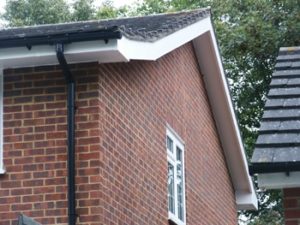
Soffit describes the undersurface of any overhead part, Fascia And Soffit in property architecture, it is commonly discovered on the underside of roofing system eaves. The soffit is created to avoid the entry of wetness Fascia And Soffit pests while enabling proper ventilation in attics.
-
Cladding is an outside material applied to a structure’s exterior. It serves to protect the structure from the components and, in many cases, enhances aesthetic appeal. Cladding can be seen in a plethora of products, colors, and styles, providing homeowners flexibility in their choices.
2. Kinds of Soffit
Soffit comes in different materials and designs. Below is a table laying out the most common types:
| Type of Soffit | Material | Pros | Cons |
|---|---|---|---|
| Vinyl Soffit | PVC | Durable, low maintenance | Minimal color alternatives |
| Wood Soffit | Timber | Aesthetic appeal, customizability | Prone to rot, needs routine paint |
| Aluminum Soffit | Aluminum | Lightweight, rust-resistant | Can quickly damage |
| Fiber Cement Soffit | Fiber cement | Highly durable, resistant to insects | More costly, needs proficient installation |
3. Kinds of Cladding
Cladding materials can substantially affect the building’s energy efficiency and visual appeal. Below is a table laying out numerous types of cladding, their materials, advantages and disadvantages:
| Type of Cladding | Product | Pros | Cons |
|---|---|---|---|
| Vinyl Cladding | PVC | Cost-effective, low maintenance | Minimal lifespan |
| Wood Cladding | Timber | Natural look, personalized | Needs maintenance, vulnerable to insects |
| Metal Cladding | Aluminum, Steel | Fire-resistant, light-weight | Can rust if not dealt with correctly |
| Stone Cladding | Natural stone | Long lasting and weather condition resistant | Costly, heavy |
| Fiber Cement Cladding | Fiber cement | Extremely resilient, mimics natural materials | Labor-intensive installation |
4. The Importance of Soffit and Cladding
Both soffit and cladding serve important roles in the longevity and functionality of a building.
Benefits of Soffit:
- Ventilation: Soffits can provide air flow to attics, replacement Fascia Boards avoiding heat buildup and wetness build-up.
- Insect Control: A well-installed soffit helps keep bugs from going into the attic or roofing area.
- Visual Design: Soffits can improve the architectural interest of a property’s exterior.
Benefits of Cladding:
- Weather Protection: Cladding shields the underlying structure from rain, snow, and UV radiation.
- Energy Efficiency: Properly set up cladding can enhance insulation, resulting in lower cooling and heating costs.
- Aesthetic Appeal: Cladding can dramatically change the appearance of a home, offering various appearances from rustic to modern-day.
5. Installation Tips
Installing soffit and cladding might seem straightforward, but careful preparation and execution are necessary. Here are some pointers:
- Professional Help: Unless knowledgeable, think about hiring experts for installation. Errors can result in insulation problems or toughness problems.
- Ventilation: Ensure proper ventilation when setting up soffits to prevent wetness issues.
- Material Compatibility: Choose cladding that complements the existing architectural style and material of your home.
- Research Local Codes: Be conscious of local building regulations or regulations that might impact your installation choices.
6. Maintenance Considerations
While soffit and cladding are created to endure the elements, regular maintenance is crucial for extending their life expectancy.
Soffit Maintenance:
- Inspect frequently for signs of damage, such as peeling paint or fractures.
- Clean with detergent and a soft brush to prevent mold and mildew accumulation.
- Ensure vents are clear of debris to preserve airflow.
Cladding Maintenance:
- Examine periodically for moisture invasion, particularly at joints.
- Repaint, Fascia Repair, or replace any damaged sections of cladding.
- Clean surfaces as required, particularly if they show indications of dirt or biological development.
7. Frequently asked questions
Q: How frequently ought to I inspect my soffit and cladding?A: It’s advised to
inspect both soffit and cladding a minimum of when a year, or after substantial weather events. Q: Can I paint my soffit and cladding?A: Most products
can be painted, however specialized paints may be
essential for certain materials like vinyl. Always check the producer’s recommendations. Q: What should I do if I find damage to my soffit or cladding?A: Assess the degree of the damage.
Minor repairs may be manageable, however comprehensive damage is best managed by
a professional. Q: Are there energy-saving benefits related to soffit and cladding?A: Yes, appropriately installed and insulated soffit and cladding
can substantially enhance a structure’s energy efficiency, resulting in cost savings with time. 8. Conclusion In conclusion, soffit and cladding are more than mere architectural information; they play vital roles in protecting structures and improving
