This company has no active jobs
0 Review
Rate This Company ( No reviews yet )

Gebrauchte Hobelmaschinen Kaufen
(0)Information Company
- Total Jobs 0 Jobs
- Full Address Storholt 81
Something About Company
10 Planing Machines Selection-Related Planing Machines Selection-Related Projects That Will Stretch Your Creativity
Selecting the Right Planing Machine: A Comprehensive Guide
Planing machines play a vital role in the woodworking industry, forming and smoothing wood surfaces to perfection. With various types and models offered, choosing the best planing machine can considerably impact the performance and quality of woodworking projects. This article delves into the crucial aspects that need to be taken into factor to consider while picking a planing maker and offers an introduction of popular models on the market.
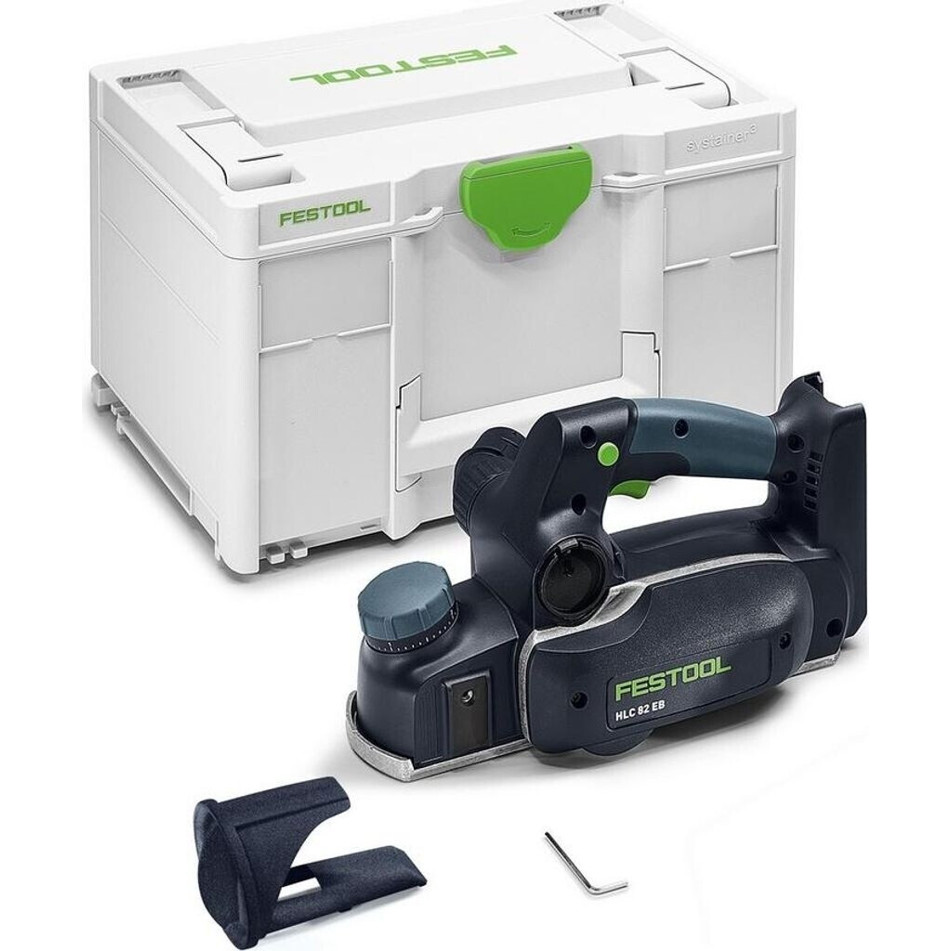
Understanding Planing Machines
Planing machines, Beste Hobelmaschinen typically referred to as thickness planers, are designed to minimize the density of wooden boards while likewise offering a smooth surface finish. These machines work by feeding the wood through a series of turning knives that eliminate material from the surface area. There are several types of planing machines, each suitable for different applications and levels of woodworking competence.
Common Types of Planing Machines
- Thickness Planer: Primarily used to accomplish consistent thickness across boards.
- Benchtop Planer: Compact and portable, fit for hobbyists or smaller shops.
- Flooring Model Planer: Larger units ideal for professional woodworkers and business usage.
- Dual-Head Planer: Equipped with two sets of cutting blades, permitting more efficient processing.
Key Factors to Consider
When choosing a planing machine, it is necessary to consider numerous elements that impact maker performance, effectiveness, and viability for particular jobs. Below is a summary table of these essential aspects:
| Factor | Description |
|---|---|
| Kind of Work | Figure out whether you require the device for personal projects, pastime work, or commercial production. |
| Size and Portability | Think about the workspace readily available and whether you’ll require to move the maker regularly. |
| Cutting Capacity | Evaluate the optimum width and thickness of the wood you prepare to work with. |
| Source of power | Select between electric, manual, or other types based on your specific needs and infrastructure. |
| Speed and Feed Rate | Evaluate the speed of the maker and its feed rate to ensure effectiveness. |
| Adjustability | Search for simple modification functions for varying density settings and a smooth surface. |
| Blade Quality | Consider the type and quality of the blades, as they will affect longevity and effectiveness. |
| Budget | Define your budget upfront as rates can differ considerably based on features and brand. |
A Closer Look at Popular Planing Machines
To assist readers in making a notified choice, a relative table of a number of popular planing machines is provided below:
| Machine Model | Type | Cutting Capacity (Width x Thickness) | Power Source | Price Range |
|---|---|---|---|---|
| DeWalt DW735X | Thickness Planer | 13″ x 6″ | 15 Amp Electric | ₤ 600 – ₤ 800 |
| Makita 2012NB | Benchtop Planer | 12″ x 1/8″ | 15 Amp Electric | ₤ 400 – ₤ 500 |
| Grizzly G0504 | Floor Model | 20″ x 10″ | 5 HP Electric | ₤ 1,500 – ₤ 2,000 |
| Jet JWP-208HH | Dual-Head Planer | 20″ x 8″ | 3 HP Electric | ₤ 3,000 – ₤ 4,000 |
Tips for Selecting the Right Planing Machine
- Assess Work Needs: Identify the type of woodworking tasks you will carry out.
- Area Assessment: Measure the workspace to ensure the chosen device fits easily.
- User-Friendly Design: Opt for machines with user-friendly controls for simple operation, specifically for newbies.
- Research study Brands: Investigate reliable brands known for resilience and after-sales assistance.
- Check out Reviews: Look for customer feedback that can provide insights into machine performance and reliability.
Often Asked Questions (FAQ)
1. How often should I replace the blades on my planing maker?
Blades need to be replaced whenever they become dull or cracked. Depending upon the frequency of usage and the type of wood being processed, this can vary from every couple of weeks to several months.
2. Can a planing machine be utilized for wood and softwood?
Yes, most planing machines can manage both hardwood and softwood. Nevertheless, the performance and longevity might vary depending on the machine and blade quality.
3. What security preventative measures should be taken when using a planing maker?
Always use security goggles, guarantee the machine is properly grounded, and keep hands away from moving parts throughout operation. Familiarize yourself with the machine’s security features before usage.
4. Exists a considerable difference between benchtop and floor model planers?
Yes, benchtop planers are smaller and portable, suitable for DIY projects, while flooring model planers are bigger, more effective, and developed for business woodworking applications.
5. How do I keep my planing machine for ideal performance?
Routinely clean the machine, look for loose parts, hone or replace blades, and guarantee all moving parts are oiled based on the manufacturer’s instructions.
Choosing the right planing maker is vital for achieving ideal outcomes in woodworking projects. By keeping in mind the numerous factors, comparing models, and considering personal requirements, woodworkers can guarantee they pick a maker that satisfies their requirements. Investing time and effort in this selection procedure will settle in the long run with improved efficiency and superior workmanship. Whether for individual usage or professional purposes, a well-chosen planing device will boost the quality of the completed product and broaden imaginative possibilities.
