
This company has no active jobs
0 Review
Rate This Company ( No reviews yet )
Information Company
- Total Jobs 0 Jobs
- Full Address Travessa Rosendo Pinto 779
Something About Company
What’s The Current Job Market For Ramps For Disabled Professionals?
Understanding Ramps For Disabled Accessibility: A Comprehensive Guide
In today’s world, guaranteeing accessibility for people with specials needs is a vital aspect of neighborhood preparation and advancement. Among the crucial components of accessibility functions is ramps, which offer a necessary ways of navigation for those using wheelchairs, walkers, or merely needing an extra bit of help. This blog post intends to offer an overview of ramps for disabled people, providing handy insights and assistance on their design, types, benefits, and best practices, alongside an extensive FAQ section.
The Importance of Ramps for Disabled Accessibility
Ramps play a vital role in enhancing the mobility and self-reliance of people with disabilities. By enabling easier access to structures, public areas, and transport, these structures considerably decrease the barriers that people might experience. Below are some bottom lines that highlight their value:
- Inclusion: Ramps promote an inclusive society, enabling people with disabilities to take part in daily activities, community occasions, and work.
- Safety: They provide a safer option to stairs, reducing the danger of accidents for both users with mobility challenges and caregivers.
- Legal Compliance: Many countries have established laws and standards for ease of access (like the Americans with Disabilities Act in the USA), needing the setup of ramps in public buildings.
Table 1: Accessibility Legislation Overview
| Region | Legislation | Secret Provisions |
|---|---|---|
| United States | Americans with Disabilities Act (ADA) | Mandates accessible styles for public areas and buildings. |
| Canada | Accessibility for Ontarians with Disabilities Act (AODA) | Requires public-sector companies to follow ease of access standards. |
| European Union | Accessibility Act | Establishes common requirements for availability throughout member states. |
Kinds of Ramps
Ramps can be found in numerous types, each designed to match specific needs and contexts. Below are the most common types of ramps utilized for disabled access:
- Permanent Ramps: Installed as a part of the building structure, often made from concrete or wood.
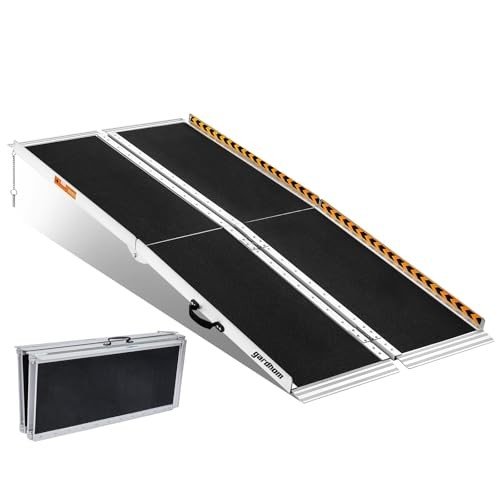
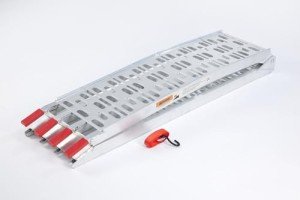
- Portable Ramps: Lightweight and developed for temporary use, commonly utilized for individual access to cars and trucks or occasions.
- Suction Cup Ramps: Used for mobility aids, these ramps can be connected to automobiles, supplying a versatile service for those who take a trip.
- Limit Ramps: Designed to bridge the gap between 2 surfaces at entrances or entry points, helping with smooth shifts.
Table 2: Ramp Types and Features
| Type | Product | Finest Use Cases | Pros | Cons |
|---|---|---|---|---|
| Long-term Ramps | Concrete/Wood | Public buildings/residential | Resilient, low maintenance | Costly to install |
| Portable Ramps | Aluminum/Fiberglass | Events/vehicles | Easy to transfer | May not support heavy weights |
| Suction Cup Ramps | Various | Automobiles | Flexible and adjustable | May require more upkeep |
| Limit Ramps | Rubber/Wood | Doorways | Simple setup | Minimal height capacity |
Advantages of Ramps
The setup of ramps provides many advantages, as laid out below:
- Enhanced Mobility: Ramps enable users easier motion up and down inclines, minimizing strain and tiredness.
- Self-reliance: With the accessibility of ramps, individuals with mobility impairments are more most likely to navigate their surroundings without assistance, boosting their self-confidence and autonomy.
- Increased Opportunity: Accessible ramps make sure that individuals with impairments can reach work environments, schools, and social spaces, promoting wider involvement in society.
Finest Practices for Ramp Design
Developing efficient and safe ramps needs adherence to specific guidelines and principles. Here are some best practices to consider:
- Follow Accessibility Standards: Always consult local availability guidelines to guarantee compliance with policies.
- Pick the Right Slope: The ideal slope ratio is generally 1:12 for wheelchair access. This suggests one unit of vertical increase for every twelve units of horizontal run.
- Non-Slip Surfaces: Use materials and surfaces that offer appropriate grip, especially during wet or icy conditions.
- Include Handrails: Installing strong hand rails on both sides of the ramp can offer extra assistance and security for users.
- Routine Maintenance: Conduct regular assessments to recognize wear or damage and perform prompt repairs as needed.
Table 3: Ramp Design Considerations
| Design Aspect | Suggestion | Significance |
|---|---|---|
| Slope Ratio | 1:12 ratio | Guarantees ease of usage for wheelchair users |
| Width | Minutes. 36 inches | Permits safe passage for users and caregivers |
| Surface area Material | Non-slip, durable material | Prevents accidents and offers longevity |
| Handrails | Minimum 34 to 38 inches above ramp surface | Supplies extra support for users |
| Turn-around Space | Minutes. 5ft x 5ft for reversals | Accommodates users to pivot securely |
Often Asked Questions (FAQs)
1. Who qualifies as disabled for ramp availability?
The term “disabled” varies throughout legislation and organizations. Generally, it refers to individuals with physical problems that restrict their mobility or capability to navigate stairs, consisting of those utilizing wheelchairs, walkers, or other mobility aids.
2. Are ramps needed in all public buildings?
Yes, a lot of nations mandate that public buildings be accessible to individuals with specials needs through ramps, as described in accessibility legislation.
3. Can I build my ramp, or do I need an expert?
While some homeowners might opt to develop their ramps, working with a professional with proficiency in ADA compliance is recommended to make sure safety and regional code compliance.
4. How do I preserve a portable ramp?
Frequently check the ramp for signs of wear and keep it tidy from particles. Make sure that any movable parts function correctly, and shop it in a dry place to lengthen its life-span.
5. What is the average cost of installing a permanent ramp?
The expense varies commonly based on products, design, and labor however can vary from ₤ 1,000 to ₤ 5,000 or more depending upon the website conditions and complexity included.
Ramps for disabled people are a crucial aspect in fostering accessible and inclusive environments. Understanding the types, benefits, legal implications, and best practices for ramps can contribute significantly to enhancing the lifestyle for individuals with mobility challenges. As neighborhoods continue to develop and customize their facilities, making sure availability must stay at the leading edge of preparing initiatives, allowing everybody to navigate their environments efficiently. Awareness, education, and commitment to availability will lead to a more inclusive society for all.
