
This company has no active jobs
0 Review
Rate This Company ( No reviews yet )
Information Company
- Total Jobs 0 Jobs
- Full Address Kilen 15
Something About Company
Portable Ramps Tools To Streamline Your Daily Life Portable Ramps Trick That Every Person Must Learn
Portable Ramps: A Comprehensive Guide
In today’s world, availability is a fundamental right, allowing people with mobility difficulties to browse their environments with ease. Portable ramps play a crucial function in this accessibility, serving as versatile solutions for both temporary and long-term use. Whether for wheelchair users or individuals with strollers, portable ramps offer flexibility and benefit. This post delves into the numerous aspects of portable ramps, consisting of types, functions, advantages, and installation suggestions.
What is a Portable Ramp?
A portable ramp is a mobility help created to assist individuals in overcoming barriers such as stairs or curbs. These ramps are lightweight, foldable, and easy to transfer, making them a perfect option for both indoor and outdoor usage. They can be constructed from numerous materials, including aluminum, rubber, and wood, each offering unique benefits.
Table 1: Types of Portable Ramps
| Type | Description | Typical Uses |
|---|---|---|
| Wheelchair Ramps | Created particularly for wheelchair access. | Home entryways, automobiles |
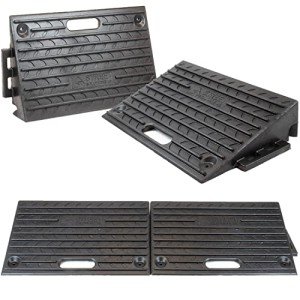
| Limit Ramps | Short ramps for doors or little steps. | Doorways, limits |
| Folding Ramps | Ramps that fold for simple storage and transport. | Temporary use in public areas |
| Roll Up Ramps | Flexible ramps that can be rolled up for transport. | Occasions, outside activities |
| Bi-fold Ramps | Ramps that fold in half for easy handling. | Step access, cars |
Advantages of Using Portable Ramps
1. Improved Accessibility
Portable ramps supply individuals with mobility challenges the capability to access various environments without assistance. They assist get rid of barriers and promote self-reliance.
2. Flexibility
These ramps can be used in a variety of areas, making them adaptable for individual use. They can accommodate wheelchairs, scooters, and walkers in diverse settings, including homes, offices, and public areas.
3. Easy Installation
A lot of portable ramps require very little assembly and can be quickly deployed. This ease of setup makes them ideal for temporary situations, such as outside occasions or taking a trip.
4. Lightweight and Sturdy
Built from lightweight products like aluminum, portable ramps are easy to bring without jeopardizing resilience. They can support substantial weight, making sure safety for users.
5. Economical Solution
Buying a portable ramp is typically more affordable than making irreversible structural adjustments, such as installing a repaired ramp or elevator.
6. Transport-Friendly
The majority of portable ramps are foldable or collapsible, making them hassle-free for transport in lorries. Their design permits easy storage when not in use.
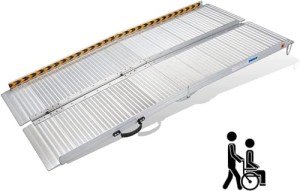
Table 2: Features to Look for in Portable Ramps
| Feature | Value |
|---|---|
| Weight Capacity | Guarantee it can support desired usage. |
| Product | Durability and weather resistance. |
| Surface area Texture | Prevent slip and enhance traction. |
| Length and Gradient | For safe access depending on height. |
| Mobility | Lightweight or foldable for simple transport. |
Considerations When Choosing a Portable Ramp
When picking a portable ramp, it is important to think about numerous elements to ensure it meets the user’s needs:
1. Weight Capacity
Always inspect the weight capability of the ramp to make sure that it can accommodate the user and their devices conveniently.
2. Gradient and Length
Ramps need to have a gradual slope for safe use. As a guideline of thumb, a 1:12 slope (one inch of height for each 12 inches of ramp) is typically suggested.
3. Mobility Equipment Compatibility
Ensure the ramp’s dimensions are suitable for the specific mobility device being utilized, whether it be a wheelchair, walker, or scooter.
4. Surface Texture
The ramp’s surface need to supply adequate traction to avoid slipping, specifically in damp or outdoor conditions.
5. Material Durability
Select ramps made from robust products that can stand up to environmental elements, particularly for outside usage.
6. Portability
Think about whether the ramp is easy to transportation and shop, especially if you prepare to take it on the go.
Installation and Usage Tips
1. Assess the Environment
Before installation, examine the location where the ramp will be used. Search for stable surface areas without debris or challenges.
2. Level the Ramp
Guarantee the ramp is level; this will boost security and assist in smooth access for users.
3. Protect the Ramp
If possible, protect the ramp in place to prevent motion throughout usage. Lots of ramps included non-slip bases for added stability.
4. Test the Ramp
Before full usage, test the ramp with a progressive climb and a consistent weight to assess its efficiency.
5. Routine Maintenance
Check ramps regularly for wear and tear, especially at the hinges, folding systems, and surfaces. Clean the ramp periodically to maintain its condition.
Regularly Asked Questions (FAQs)
Q1: Are portable ramps appropriate for outside usage?
Yes, lots of portable ramps are created for outside usage, but it’s important to inspect the product for weather condition resistance and toughness.
Q2: How do I identify the best length of a portable ramp?
Follow the 1:12 slope guideline: for every inch of height, you need a foot of ramp length. Step the height of the step or curb, and compute the ramp length accordingly.
Q3: Can portable ramps be utilized for automobiles?
Yes, specially created portable ramps are readily available for vehicle access, allowing wheelchair users to get in and leave their vehicles safely.
Q4: How much do portable ramps generally cost?
Cost can differ considerably based on size, product, and features. Basic designs start around ₤ 100, while durable ramps can vary from ₤ 500 to over ₤ 1000.
Q5: Are there weight limitations for portable ramps?
Yes, each ramp has actually a specified weight limitation. Make sure to examine the manufacturer’s guidelines to make sure security.
Portable ramps are indispensable tools that significantly improve ease of access for individuals with mobility difficulties. By understanding the different types, advantages, and factors to consider for portable ramps, users can make educated options to improve their every day lives. Whether for temporary usage at events or a permanent service to browse home steps, portable ramps offer the required support and independence to numerous individuals. As society continues to prioritize inclusivity, portable ramps will remain essential in breaking down physical barriers.
