This company has no active jobs
0 Review
Rate This Company ( No reviews yet )

Custom Shipping Containers
(0)Information Company
- Total Jobs 0 Jobs
- Full Address 97 Boulevard Albin Durand
Something About Company
The 10 Most Scariest Things About Cargo Containers
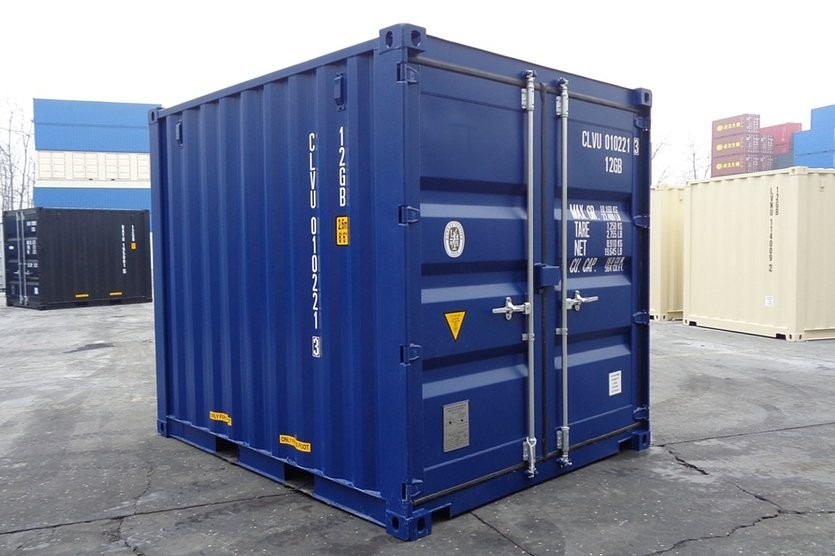
The World of Cargo Containers: An Essential Component of Global Trade
Cargo containers have actually changed the landscape of worldwide trade and shipping because their creation in the mid-20th century. With their standardization, sturdiness, and ability to hold huge quantities of items, shipping containers have become the backbone of worldwide supply chains. This post will explore the various elements of cargo containers, including their types, history, advantages, and the challenges dealt with in their use.
A Brief History of Cargo Containers
The concept of containerization was originated by Malcom McLean in the 1950s. Prior to this innovation, goods were filled and unloaded individually from ships, causing inefficiencies and increased expenses. McLean’s idea was basic yet innovative: design a standardized container that could easily be moved between various modes of transport, such as ships, trucks, and trains. This caused the very first container ship voyage in 1956 from Newark, New Jersey to Houston, Texas.
Since then, container shipping has experienced exponential development. According to the United Nations Conference on Trade and Development (UNCTAD), the total volume of containers shipped worldwide has actually increased from around 5 million TEUs (Twenty-foot Equivalent Units) in 1980 to approximately 200 million TEUs in 2020. This prevalent adoption of standard-sized containers has assisted in trade on an extraordinary scale.
Kinds Of Cargo Containers
Cargo containers are available in different types, each developed for particular purposes. Below is a table summing up the most common kinds of containers:
| Container Type | Description |
|---|---|
| Requirement Dry Container | The most typical type, used for general cargo. Readily available in 20ft and 40ft sizes. |
| Refrigerated Container | Insulated and equipped with a cooling unit to transport perishable items. Offered in numerous sizes. |
| Flat Rack Container | Created for oversized cargo that can not fit into basic containers, such as equipment or cars. |
| Open Top Container | Similar to standard containers however with an open top, enabling filling tall products. |
| Tank Container | Round tanks used for carrying liquids and gases. |
| Bulk Container | Created for bulk cargo such as grains, coal, and minerals. |
| High Cube Container | Taller than basic containers, providing extra area for light, voluminous cargo. |
Benefits of Using Cargo Containers
Making use of cargo containers offers numerous advantages to shippers, manufacturers, and customers alike. Here are some key benefits:
-
Increased Efficiency: Containers can be packed and unloaded rapidly using cranes and other equipment, minimizing turnaround times for ships and minimizing delays in transit.
-
Standardization: With standardized dimensions, containers can be easily moved in between different modes of transport, helping with smooth logistics.
-
Security and Protection: Cargo Containers (Www.danieldejarnette.Top) are designed to endure harsh weather, tampering, and theft. They provide a safe environment to protect items during transit.
-
Cost-Effective: Container shipping tends to be more cost-effective than other forms of transport due to minimized labor costs and increased cargo capacity on ships.
-
Intermodal Connectivity: Containers can be quickly carried by truck, rail, and ship, providing flexibility in logistics and lowering costs.
-
Environmental Sustainability: Containerization reduces the carbon footprint of transferring items by maximizing cargo capability while reducing fuel usage per system brought.
Obstacles in Cargo Container Use
While cargo containers have substantially streamlined worldwide trade, they also present special challenges that the market must address:
-
Container Shortages: Fluctuations in supply and need can cause shortages, triggering delays and increased costs.
-
Inefficiencies in Container Movement: Containers often end up being stranded in ports or warehouses due to insufficient infrastructure or poor logistics management.
-
Ecological Impact: Despite being more effective than older shipping techniques, the container shipping market still contributes to carbon emissions and marine contamination.
-
Security Issues: While containers are safe, the danger of smuggling and unlawful activities stays an issue, necessitating extensive oversight and assessments.
Future Trends in Cargo Containers
The future of cargo containers is likely to be shaped by technological developments and industry developments. Here are some trends to view:
-
Automation: Automated cranes and self-governing lorries are becoming significantly common in ports, enhancing performance and lowering labor expenses.
-
Digitalization: The use of blockchain technology for tracking container motions and improving transparency is anticipated to revolutionize supply chain management.
-
Eco-Friendly Containers: Emerging trends consist of developing biodegradable shipping products and eco-efficient containers that decrease environmental effects.
-
Smart Containers: The combination of IoT sensors in containers permits real-time tracking and monitoring of cargo conditions, boosting security and decreasing losses.
Regularly Asked Questions (FAQ)
1. What is the basic size of a cargo container?
- The most common container sizes are 20ft and 40ft long, with a width of 8ft and a height of 8.5 ft (or 9.5 ft for High Cube containers).
2. How are cargo containers carried?
- Cargo containers can be moved utilizing ships, trucks, and trains. They are created for simple transfer between these modes of transport, helping with intermodal logistics.
3. What kinds of products can be carried in cargo containers?
- Containers can transport nearly any kind of cargo, including perishables, equipment, durable goods, and raw materials, depending on the container type used.
4. Are cargo containers environmentally friendly?
- Container shipping is generally more eco-friendly compared to other transport techniques due to its effectiveness. Nevertheless, the industry still faces obstacles relating to emissions and pollution.
5. What is a TEU?
- TEU stands for Twenty-foot Equivalent Unit, which is a basic procedure used to explain container capability. One TEU is equivalent to one 20ft container.
Cargo containers are important to the functioning of the global economy, allowing countries to trade efficiently and efficiently. As the industry develops, welcoming technological improvements and pursuing sustainability will be vital for satisfying the needs of future trade. Comprehending the intricacies of cargo containers is important for anybody associated with logistics, transport, or international trade and will contribute to browsing the challenges and opportunities of an interconnected world.
