This company has no active jobs
0 Review
Rate This Company ( No reviews yet )

Chimney Cooker Hood
(0)Information Company
- Total Jobs 0 Jobs
- Full Address 78 Old Tenterfield Road
Something About Company
The Three Greatest Moments In Cooker Hoods History
The Ultimate Guide to Kitchen Cooker Hoods
When it comes to developing an efficient, comfy, and stylish kitchen, one element that often gets neglected is the cooker hood. A vital part in modern kitchens, cooker hoods play an essential function in preserving air quality while improving the performance of the cooking area. In this thorough guide, we will check out the significance of cooker hoods, their types, installation pointers, upkeep practices, and responses to regularly asked questions.
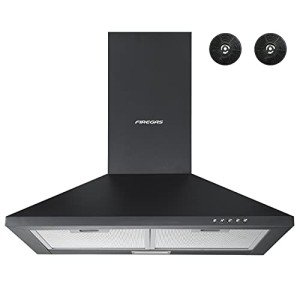
What is a Kitchen Cooker Hood?
A kitchen cooker hood, likewise called a range hood or exhaust hood, is a kitchen device created to ventilate smoke, heat, grease, and steam produced during cooking. Cooker hoods can either recirculate air back into the kitchen or vent it outside, depending on the design and setup.
Tables below will provide a comprehensive comparison of the different kinds of cooker hoods, their functions, and considerations when choosing the right one for your kitchen.
Kinds Of Cooker Hoods
| Type | Description | Pros | Cons |
|---|---|---|---|
| Wall-Mounted | Installed on the wall above the stove and vented straight outdoors. | Efficient ventilation; saves space. | Installation may be intricate; minimal positioning. |
| Island | Suspended from the ceiling over a kitchen island. | Aesthetic appeal; supplies excellent protection. | High installation cost; needs a ceiling hook. |
| Under-Cabinet | Installed below cabinets above a stove, suitable for minimal area. | Compact; practical for small kitchens. | Might not be as effective; air circulation can be restricted. |
| Downdraft | Constructed into the counter top, rises when required and withdraws when not in use. | Sleek style; efficient for cooktops. | Typically less efficient; can be more costly. |
| Portable | Light-weight, freestanding systems that can quickly be moved as required. | Versatile; can be used in various locations. | May not be as powerful; restricted by size. |
Secret Features to Consider
- Extraction Method: Choose in between ducted (vented) and ductless (recirculating).
- Material: Stainless steel is durable and simple to tidy; glass provides a modern aesthetic.
- Size: Ensure the hood is at least as wide as your cooktop to take full advantage of protection.
- CFM Rating: The Cubic Feet per Minute (CFM) indicates the ventilation power; generally, 300-600 CFM is ideal for many home kitchens.
- Noise Level: Measured in sones; quieter hoods normally operate at lower sone levels.
- Filtering: Filters can be charcoal for ductless systems or metal for ducted systems; ease of cleaning is vital.
Value of Kitchen Cooker Hoods
Correct ventilation in a kitchen is important for several reasons:
- Improved Air Quality: Cooker hoods help remove damaging smoke, steam, and smells developed throughout cooking.
- Health Benefits: By getting rid of airborne grease and particulates, they minimize breathing dangers and enhance general indoor air quality.
- Preventing Damage: Excess wetness and heat from cooking can lead to mold and damage to kitchen surface areas. Cooker hoods assist mitigate these problems.
- Boosted Comfort: An effective hood can significantly reduce kitchen temperature levels, making cooking more satisfying.
Setup Tips
Installing a cooker hood is a necessary action that requires mindful consideration of numerous aspects:
- Location: Position the hood directly above the cooktop, keeping a height of 24-36 inches.
- Power Source: Ensure there is an available electrical outlet near the setup website for correct power supply.
- Ducting: Choose a straight and short duct path to make the most of performance; prevent excessive bends.
- Expert Installation: For more complex designs, hiring an expert installer can guarantee appropriate performance and safety.
- Follow Manufacturer’s Guidelines: Always refer to maker directions for specific installation requirements and suggestions.
Upkeep Tips
To take full advantage of the durability and effectiveness of your cooker hood, regular maintenance is crucial. Here are several upkeep suggestions:
- Clean Regularly: Wipe down the outside with appropriate cleaners to keep surfaces spotless.
- Modification Filters: For ducted hoods, tidy or change metal filters every 3-6 months. For ductless hoods, make sure charcoal filters are changed according to the producer’s instructions.
- Inspect Ductwork: Inspect vents and ductwork for obstructions or buildup of grease.
- Sound Keeping: If the hood begins making uncommon sounds, it may show a problem with the motor or fan. Perform prompt repairs.
- Expert Servicing: Consider a yearly checkup by an expert to make sure ideal efficiency.
Often Asked Questions (FAQs)
1. How do I choose the right size of cooker hood for my kitchen?
To determine the ideal size, measure the width of your cooktop and pick a hood that is at least the exact same width or broader.
2. Are ducted hoods better than ductless?
Ducted hoods tend to be more efficient at aerating air, while ductless hoods are versatile and much easier to install.
3. How often should I clean the filters?
Metal filters need to be cleaned up every few months, while charcoal filters ought to be changed as per the maker’s suggestions.
4. What is the perfect CFM for my kitchen?
For a basic home kitchen, a CFM rating in between 300 to 600 is typically adequate. Nevertheless, larger upgrades might need greater CFMs.
5. Can I install a cooker hood myself?
While some designs permit DIY installation, it is typically recommended to work with a professional for more complicated ducting and electrical work.
In conclusion, a kitchen cooker hood is more than just a functional appliance; it is vital for maintaining a safe and healthy cooking environment. By understanding the types, functions, setup, and maintenance of cooker hoods, homeowners can make educated choices causing improved cooking experiences and kitchen aesthetics. With the ideal cooker hood, a kitchen can transform into a space that integrates design with efficiency, ensuring pleasant cooking and amusing for many years to come.
