This company has no active jobs
0 Review
Rate This Company ( No reviews yet )

Akku-Werkstattwerkzeuge Kaufen
(0)Information Company
- Total Jobs 0 Jobs
- Full Address Rhinstrasse 13
Something About Company
The Best Tips You’ll Receive About Machine Set
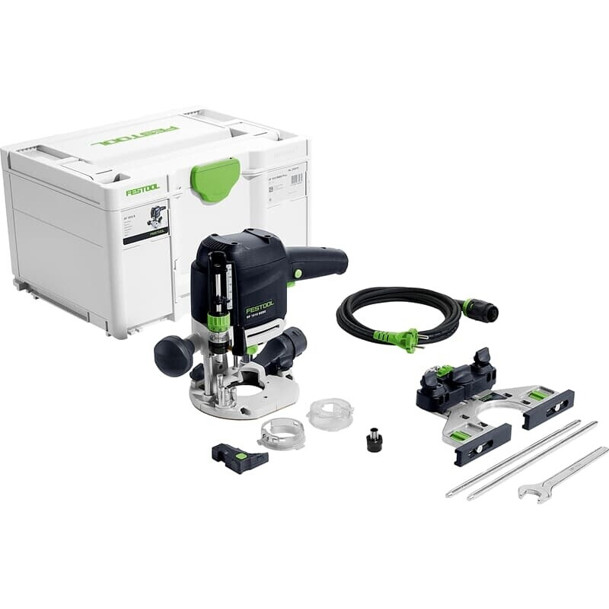
Understanding Machine Set: A Comprehensive Guide
Introduction
In today’s digital age, the integration of makers into different industries has actually transformed the method companies run. From making to health care, makers play a critical function in enhancing effectiveness, precision, and productivity. Amongst the numerous concepts related to the combination of machinery into workflows, “machine set” sticks out as an important aspect that necessitates much deeper understanding. This article explores the definition of machine set, its applications, benefits, and obstacles, together with a comprehensive FAQ section to clarify common queries surrounding this topic.
What is Machine Set?
Machine set refers to a particular setup of machinery and tools that are set up and calibrated to carry out a series of tasks within a specified process. This setup is critical in manufacturing, where different machines might collaborate in a sequence to develop an end product. It involves picking the right devices, configuring them correctly, and ensuring they interact with each other efficiently.
Table 1: Key Components of a Machine Set
| Component | Description |
|---|---|
| Machine Type | The specific kind of machine utilized (e.g., CNC, lathe) |
| Tooling | The essential tools required for operation |
| Calibration | Modifications made to ensure accuracy and accuracy |
| Software Integration | Programs managed to manage the machines |
| Operator Input | Training and standards for operators engaging with the set |
Applications of Machine Set
Machine sets have a wide variety of applications throughout various sectors. Here are some typical examples:
-
Manufacturing: In automotive and aerospace markets, machine sets comprise numerous makers that interact to manufacture parts with high precision.
-
Food Processing: In the food industry, machine sets are used to automate processes like cutting, mixing, and Akku-Maschinen Im Angebot packaging, increasing effectiveness while keeping security standards.
-
Healthcare: In medical facilities, machine sets might be used in labs for testing samples or in surgical systems where surgical robotics operate in tandem with human operators.
-
Building and construction: Heavy machinery, such as excavators and cranes, can be viewed as machine sets, regularly working together for specific jobs, such as digging or lifting.
-
Fabric Industry: Flat knitting devices embeded in synchronization can produce complicated style patterns in clothing manufacturing.
Table 2: Industry Applications of Machine Set
| Industry | Application |
|---|---|
| Production | Part production |
| Food Processing | Automated packaging |
| Healthcare | Test screening |
| Building | Heavy lifting and excavation divvying |
| Textile Industry | Production of complex garment designs |
Advantages of Machine Set
Adopting a machine set setup can equate into numerous advantages for organizations, including:
-
Increased Efficiency: Machine sets can substantially simplify processes, allowing several tasks to be completed concurrently.
-
Expense Savings: By enhancing effectiveness, companies can decrease labor expenses and increase output, resulting in lower production expenses overall.
-
Enhanced Accuracy: With adjusted makers collaborating, the potential for human error is decreased, leading to higher quality outputs.
-
Minimized Downtime: Properly set devices can run constantly, which reduces the probability of unexpected breakdowns and maintenance requirements.
-
Versatility: Machine sets can often adjust to various tasks and outputs, making them flexible tools for changing demands.
Challenges of Machine Set
Regardless of the numerous advantages, there are challenges associated with machine set configurations:
-
Initial Investment: The setup expenses can be significant, particularly for small to medium-sized enterprises.
-
Complex Maintenance: A machine set configuration may need specific maintenance that can be challenging to fulfill, depending upon the equipment involved.
-
Training Requirements: Operators need appropriate training to effectively manage and run machine sets, which can need dedicated resources.
-
Integration Issues: Achieving smooth interaction amongst different machines can be intricate, causing prospective hold-ups and inadequacy if not managed well.
Best Practices for Setting Up a Machine Set
To take full advantage of the benefits of a machine set, organizations should consider the following best practices:
-
Perform a Needs Assessment: Determine the particular requirements of the production line to choose suitable devices and tools.
-
Buy Quality Equipment: High-quality devices normally carry out much better and have longer life expectancies, providing a much better return on investment.
-
Ensure Alignment and Calibration: Regular checks should be carried out to keep precision and effectiveness across the machine set.
-
Implement Training Programs: Regular training for operators and upkeep personnel can help decrease mistakes connected to human aspects.
-
Embrace Monitoring Systems: Invest in digital tracking systems to provide real-time data on performance and aid preemptively recognize problems.
Table 3: Best Practices for Machine Set Configuration
| Best Practice | Description |
|---|---|
| Requirements Assessment | Identifying production requirements |
| Quality Equipment | Purchasing trustworthy machinery |
| Positioning and Calibration | Regular checks to keep precision |
| Training Programs | Continuous education for staff |
| Keeping an eye on Systems | Real-time efficiency tracking |
Frequently Asked Questions (FAQ)
Q1: What is the primary purpose of a machine set?A1: The
main purpose of a machine set is to set up machinery in such a way that enhances performance and performance in a specific job or series of jobs.
Q2: How does a machine set differ from individual machines?A2: While private machines can carry out specific tasks, a machine set makes up several machines collaborating collaboratively to finish complex procedures. Q3: What industries take advantage of machinesets?A3: Machine sets prevail in various
industries such as manufacturing, healthcare, food processing, construction, and textiles. Q4: What are the common challenges connected with machinesets?A4: Common obstacles include high preliminary setup costs
, complex upkeep requirements, training requirements, and prospective combination issues. Q5: How can companies ensure efficient machine set performance?A5: Organizationscan ensure effective performance by carrying out needs evaluations, buying quality equipment, calibrating machines regularly, executing training programs, and using monitoring systems. The concept of machine set is essential to enhancing efficiency in different markets, translating into higher performance, cost savings, and enhanced quality. By comprehending the elements, advantages, difficulties, and best practices associated with machine sets, organizations can utilize this valuable understanding to boost their functional capabilities. As innovation continues to evolve, the significance of well-integrated machine sets will only grow, making their reliable implementation a crucial focus for services seeking to grow in a competitive landscape.
