This company has no active jobs
0 Review
Rate This Company ( No reviews yet )

Kupić Kategorię B
(0)Information Company
- Total Jobs 0 Jobs
- Full Address 2141 Walton Street
Something About Company
How Much Do Polish Driving Test Experts Earn?
Understanding the Polish Driving Test: A Comprehensive Guide
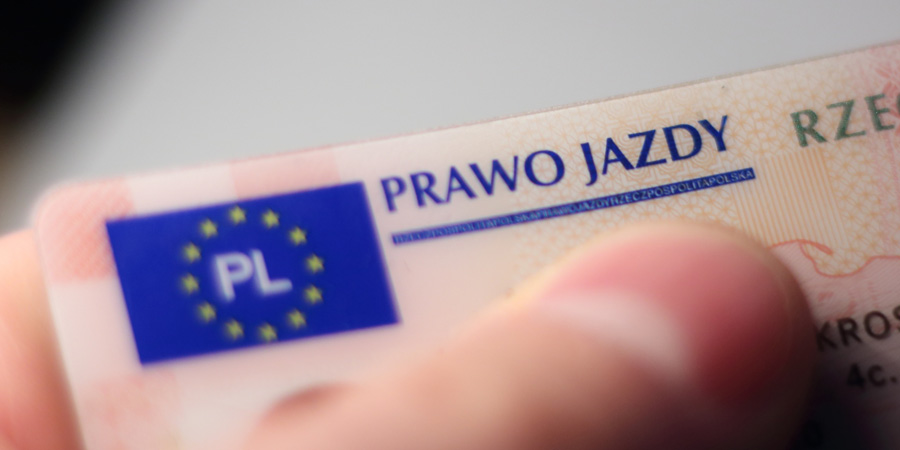
Driving is a crucial skill for lots of individuals, and getting a driver’s license is important for personal movement and independence. In Poland, the process of obtaining a driver’s license is systematic and comprehensive, making sure that motorists are well-prepared for the obligations ahead. This blog site post looks into the intricacies of the Polish driving test, covering whatever from the various kinds of licenses to the assessment process itself, as well as answering regularly asked concerns.
Kinds of Driver’s Licenses in Poland
Before diving into the screening procedures, it’s important to comprehend the different classifications of driving licenses readily available in Poland. The category of licenses is based upon the kind of lorry a person means to drive. The following table sums up these classifications:
| License Category | Vehicle Type | Minimum Age | Period of Validity |
|---|---|---|---|
| A | Motorbikes (over 125cc) | 24 | 15 years |
| A1 | Motorbikes (approximately 125cc) | 16 | 15 years |
| B | Cars and trucks (as much as 3.5 lots) | 18 | 15 years |
| B1 | Quadricycles | 16 | 15 years |
| C | Trucks over 3.5 loads | 21 | 5 years |
| D | Buses | 24 | 5 years |
| E | Trailers above 750 kg | 21 | 5 years |
The Steps to Obtain a Polish Driver’s License
Acquiring a Polish driver’s license includes a methodical process that includes numerous actions, from theoretical education to useful testing. Below is a breakdown of these steps:
1. Enlist in a Driving School
Candidates must initially register in a certified driving school. It is recommended to select a school with a great reputation, experienced instructors, and positive student evaluations.
2. Theoretical Training
Participants go through theoretical training, which covers the rules of the road, traffic signs, car upkeep, and first-aid essentials. This phase is important as it prepares for useful driving.
3. Passing the Theoretical Exam
After finishing the theoretical training, prospects need to pass a multiple-choice theoretical exam. This exam tests understanding on road signs, traffic regulations, and standard lorry laws.
4. Practical Training
When candidates pass the theoretical exam, they will continue to practical training behind the wheel. This typically includes a number of hours of driving practice, covering abilities such as parking, maneuvering, and adjusting to different road conditions.
5. Passing the Practical Test
The useful driving test evaluates candidates on their driving abilities in real traffic conditions. This consists of steering through numerous driving situations while being observed by an examiner.
6. Finalizing Documentation
If candidates pass both the theoretical and dry runs, they will complete the necessary documents to obtain their driver’s license. This consists of paying a charge and submitting identification and other required documents.
The Examination Process
The assessment process is among the most vital aspects of getting a driver’s license in Poland. Here, we break down both the theoretical and useful components:
Theoretical Exam
- Format: Multiple-choice concerns
- Period: 30 minutes
- Passing Score: Minimum of 68 out of 74 questions
- Subjects Covered:
- Road signs and their meanings
- Traffic rules and commitments
- Safety regulations
- Lorry operation regulations
Practical Test
- Format: Driving test in a lorry provided by the driving school
- Period: Approximately 40 minutes
- Assessment Areas:
- Starting and stopping the automobile
- Browsing through lanes and turns
- Parking (parallel and perpendicular)
- Emergency stop treatments
- Approach to traffic signals and pedestrian crossings
- Passing Criteria: Perform all maneuvers safely and show good judgment and control of the automobile.
Regularly Asked Questions (FAQ)
1. What is the minimum age to drive in Poland?
The minimum age differs by license category. Most notably, prospects should be at least 18 years of ages to apply for a classification B (vehicle) license.
2. The length of time is the driving test legitimate?
Passed driving tests for a Polish driver’s license are normally valid for 15 years; after that, a renewal process is essential.
3. Can I take the driving test in English?
Yes, in many driving centers, candidates may request to take the theoretical exam in English. Nevertheless, prawo jazdy bez praktyk the dry run will still be performed in Polish due to the significance of comprehending local traffic rules interacted verbally.
4. Is there an age limit for obtaining a driving license?
No, there is no maximum age limitation for obtaining a driving license in Poland, however individuals must pass both the theoretical and practical tests.
5. What are the expenses involved in obtaining a driver’s license?
Costs can differ depending on the driving school and place, however a full course (theoretical and practical training, together with the assessment fees) can vary anywhere from 2,500 to 3,500 PLN (Polish zloty).
Tips for Success
- Select the Right School: Research and enlist in a trusted driving school with qualified trainers.
- Stay Informed: Keep yourself updated with the most recent traffic laws and regulations.
- Practice Regularly: Get as much behind-the-wheel experience as possible before the practical test.
- Take Mock Tests: Practice with online resources or through your driving school to end up being knowledgeable about the exam format.
- Stay Calm During the Test: Practice relaxation methods to manage stress and anxiety during both the theoretical and dry runs.
The Polish driving test is a structured and thorough process that aims to gear up people with the required skills and understanding to operate a lorry securely and properly. By understanding the licensing classifications, evaluation steps, and requirements, possible motorists can prepare effectively and increase their chances of success. With preparation, decision, and practice, anyone can become a safe and capable driver on Polish roadways.