This company has no active jobs
0 Review
Rate This Company ( No reviews yet )

Luftkompressor Im Internet Kaufen
(0)Information Company
- Total Jobs 0 Jobs
- Full Address 83 Petworth Rd
Something About Company
What Freud Can Teach Us About Compressor Replacement Parts Purchase
Comprehensive Guide to Purchasing Compressor Replacement Parts
Compressors are essential parts in different industrial and commercial settings, playing a vital function in HVAC systems, refrigeration, pneumatic tools, and much more. When these important makers break down, replacement parts end up being critical for bring back performance and reducing downtime. This post intends to provide important insights, tips, and resources for acquiring compressor replacement parts efficiently.
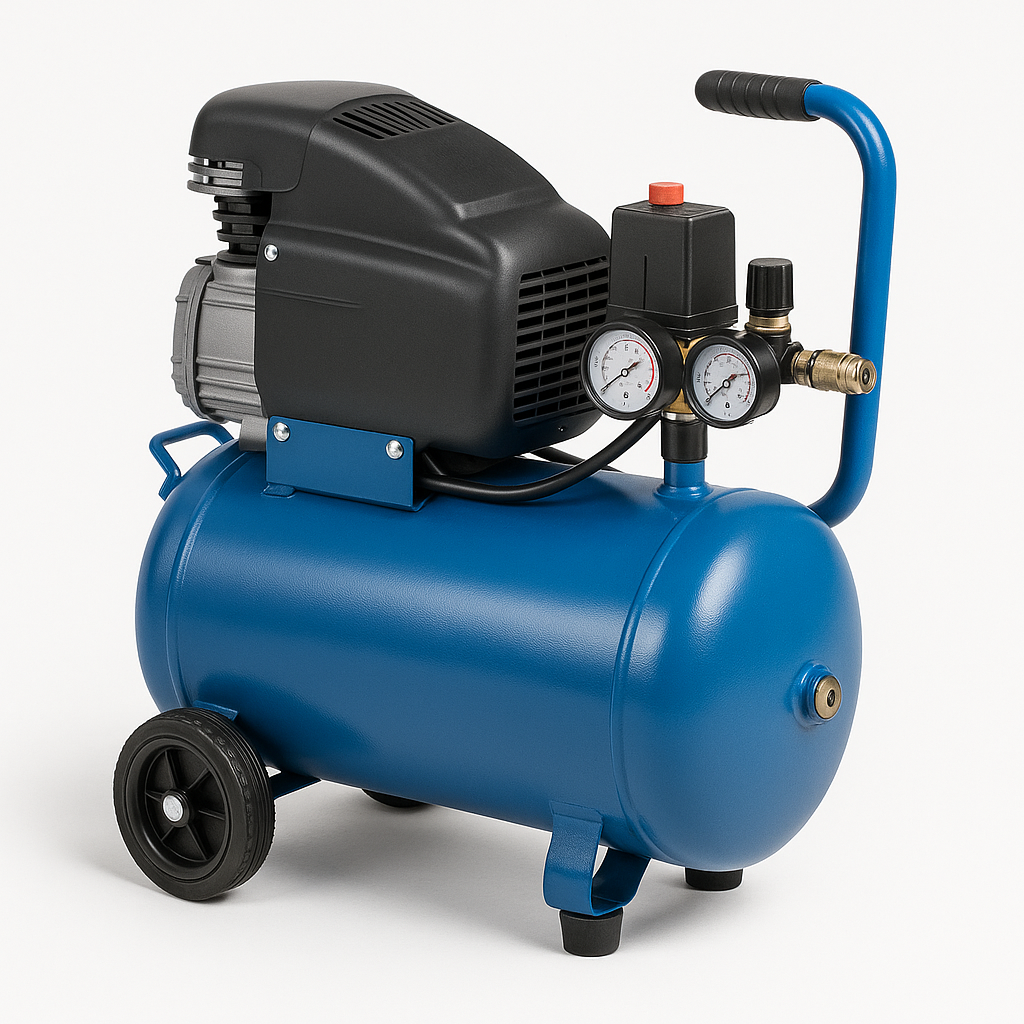
Understanding Compressor Components
Before diving into the purchase process, it’s necessary to understand the main elements of a compressor. Each part can wear down over time and may require to be replaced, depending upon usage and maintenance. Below is a table that describes common compressor components and their functions.
| Part Name | Function |
|---|---|
| Compressor Motor | Supplies power to the compressor mechanism. |
| Cylinder | Consists of the piston and compresses the air. |
| Piston | Go up and down within the cylinder to compress air. |
| Crankshaft | Transforms rotary motion from the motor into linear motion for the piston. |
| Valves | Manage airflow in and out of the cylinder. |
| Gaskets and Seals | Prevent leaks and keep internal pressure. |
| Filters | Remove pollutants from air before compression. |
| Oil Separator | Separates lubing oil from the compressed air. |
| Thermostat | Controls temperature to prevent overheating. |
Comprehending these components will assist buyers recognize the accurate parts they require for maintenance or repairs.
Preparing to Purchase Replacement Parts
1. Recognize Your Compressor Model
Before making any purchases, one must know the specific model and make of their compressor. This info is usually offered on the unit’s nameplate. Make a note of:
- Brand Name
- Design Number
- Identification number
These information will help ensure compatibility when purchasing parts.
2. Know the Problem
Identifying the issue properly ensures that you’re buying the right replacement parts. Refer to the following checklist:
- Is the compressor not beginning? (Possible motor concerns)
- Is it making unusual sounds? (Check the crankshaft or bearings)
- Is it getting too hot? (Look at the thermostat or coolant levels)
- Is there decreased airflow? (Consider valve or filter issues)
3. Select Quality Over Price
When it comes to compressor parts, it is essential not to jeopardize on quality for lower rates. Cheap parts might include hidden costs due to early failures. Many makers offer original devices manufacturer (OEM) parts, which typically provide much better dependability and durability than aftermarket alternatives.
Where to Buy Replacement Parts
1. Authorized Dealers
Purchasing from licensed dealerships is typically the very best way to ensure you’re getting the ideal parts. Licensed sellers generally have the most up-to-date stock and an extensive choice of particular parts for your compressor design.
2. Online Retailers
Numerous Industrie-Luftkompressor Online Kaufen; www.dalecarver.uk, platforms focus on compressor parts. While they can offer competitive pricing, buyers must ensure they’re buying from respectable sites with good client evaluations. Some essential online sellers consist of:
| Retailer | Functions |
|---|---|
| Amazon | Large selection, user evaluations |
| eBay | Competitive prices, bidding alternatives |
| Grainger | Industrial focus, outstanding consumer service |
| Compressor World | Specialized in compressor parts |
| A/c Direct | Large range of HVAC-related parts |
3. Local Hardware Stores
Regional stores might have some compressor parts in stock. While selections can be limited, they use the benefit of instant pickup and regional support. One can check with stores such as Home Depot or Lowe’s for schedule.
Factors to Consider When Purchasing Parts
When purchasing compressor replacement parts, specific aspects must play a significant role in the decision-making procedure:
- Compatibility: Always ensure the part matches your compressor design.
- Brand Reputation: Opt for trusted brands understood for top quality products.
- Warranty: Check if the part includes a warranty for included security.
- Shipping and Handling: Review shipping expenses and delivery times, particularly when buying online.
- Return Policy: Know the return policy in case the part is the incorrect fit.
FAQs About Compressor Replacement Parts
Q1: How often should compressor parts be changed?
A1: It depends upon use and maintenance. Routine assessments can help determine worn parts early, and some parts might need replacement annually, while others can last a number of years.
Q2: Are OEM parts always much better than aftermarket parts?
A2: Generally, OEM parts are recommended for guaranteed compatibility and quality. Nevertheless, some reliable aftermarket parts may provide fantastic value; it’s vital to look into the brand name before choosing.
Q3: How can I guarantee I’m purchasing the best part online?
A3: Always cross-reference your compressor design and speak with specifications offered by the manufacturer. Customer support from online sellers can help clarify discrepancies.
Q4: Can I install compressor parts myself?
A4: It depends upon private experience and the complexity of the part being changed. While basic jobs like replacing filters can typically be performed by users, more complex repairs might need professional help.
Purchasing compressor replacement parts may seem challenging, however a systematic technique can streamline the process. Start by understanding your compressor and its components, detect concerns precisely, and prioritize quality over cost when making your choices. Whether you pick authorized dealerships, online platforms, or local stores, being informed is the crucial to securing the ideal parts efficiently. Making use of the ideas and resources in this guide will better prepare you for maintaining an effective and dependable compressor system.