This company has no active jobs
0 Review
Rate This Company ( No reviews yet )

Leise Kühl-Gefrier-Kombination
(0)Information Company
- Total Jobs 0 Jobs
- Full Address 26 Faubourg Saint Honore
Something About Company
20 Truths About Energy-Efficient Chest Freezer: Busted
The Comprehensive Guide to Energy-Efficient Chest Freezers
In an age where energy efficiency is becoming progressively crucial, chest freezers have emerged as a versatile and eco-friendly alternative for homes and organizations alike. Not just do they supply ample storage for frozen goods, but an energy-efficient design can also substantially lower electrical energy costs, make a positive environmental effect, and improve food conservation. This article looks into the key functions of energy-efficient chest freezers, provides valuable contrasts, and responses regularly asked concerns to help you make an informed choice.
Why Choose an Energy-Efficient Chest Freezer?
Energy-efficient chest freezers are created to lessen power usage, thus reducing your carbon footprint and conserving you money on electrical power bills. Here are some reasons to think about purchasing energy-efficient choices:
-
Cost Savings: Lower energy intake implies minimized electrical power costs, leading to significant savings over the lifespan of the appliance.
-
Ecological Impact: Reducing energy usage reduces greenhouse gas emissions, making it a more responsible option for eco-conscious consumers.
-
Food Preservation: The temperature level stability in chest freezers enables better food conservation compared to less effective designs or standard upright freezers.
-
Versatility: These freezers are ideal for saving bulk purchases, meal preparation, and seasonal food items, making them excellent for large households or small companies.
Key Features of Energy-Efficient Chest Freezers
When searching for an energy-efficient chest freezer, think about the following features:
| Feature | Description |
|---|---|
| Energy Star Certification | Guarantees that the freezer satisfies strict energy efficiency standards set by the U.S. Environmental Protection Agency. |
| Insulation | High-quality insulation retains cold air, enabling the freezer to keep temperature without constant energy draw. |
| Size | Smaller sized models typically take in less energy; however, consider your storage needs when choosing a size. |
| Temperature Control | Adjustable thermostats permit users to set optimum storing temperature levels, helping in reducing energy intake. |
| Area of the Compressor | Bottom-mounted compressors are often more energy-efficient than top-mounted designs. |
Energy Consumption Comparison
To assist you assess energy-efficient choices, we have offered a comparison of various designs based upon their yearly energy intake.
| Design Name | Volume (cu. ft.) | Annual Energy Consumption (kWh) | Estimated Annual Cost (₤) |
|---|---|---|---|
| Model A (Energy Star) | 5.0 | 200 | ₤ 24 |
| Design B (Energy Efficient) | 7.0 | 250 | ₤ 30 |
| Model C (Standard) | 5.0 | 350 | ₤ 42 |
| Design D (High Efficiency) | 10.0 | 400 | ₤ 48 |
Note: The approximated annual cost is determined based upon a typical electricity rate of ₤ 0.12 per kWh, which may differ by area.
Advantages Beyond Efficiency
In addition to energy cost savings, there are numerous other benefits to owning a chest freezer:
- Flexibility: Freezing large amounts of food can assist in saving money in the long run.
- Emergency Preparedness: Having a freezer filled with food can be a lifesaver during emergency situations or natural disasters.
- Convenience: These systems can store bulk meats, vegetables, and pre-prepared meals, reducing the requirement for frequent trips to the supermarket.
Tips for Maximizing Efficiency
Here are several tips to consider when utilizing an energy-efficient chest freezer:
- Keep It Full: A complete freezer maintains cold better than an empty one. Use ice packs or containers filled with water to fill empty area.
- Prevent Frequent Opening: Minimize the number of times you open the lid to maintain constant temperature level.
- Position Wisely: Place the freezer in a cool area far from heat sources like ovens or direct sunshine to improve performance.
- Routine Maintenance: Clean the coils and inspect door seals periodically to ensure ideal performance.
- Screen Temperature: Keep a thermometer inside to ensure the temperature level is regularly at or below 0 ° F(-18 ° C)
. Frequently Asked Questions (FAQs)
What size chest freezer do I need?
The size of the freezer will mainly depend upon your household requires. A general standard is that you ought to designate 1 cubic foot of area per person in your household. For example, Gefrierschrank Mit Schubladen Günstig a household of 4 might need a freezer with a capacity of at least 5-8 cubic feet.
How can I tell if my freezer is energy-efficient?
Try to find the Energy Star label, which suggests that the home appliance meets or goes beyond energy efficiency standards. In addition, inspect the spec sheet for the annual energy consumption in kWh.
Are bigger chest freezers more energy-efficient?
Not always. While larger freezers can offer more storage, energy consumption depends on lots of factors, such as insulation quality and design. A well-insulated smaller model may be more efficient than a larger, inadequately insulated design.
For how long can food last in a chest freezer?
Foods saved in a chest freezer can last from a number of months to a year, depending upon the type of food. For best quality, freeze meats, veggies, and prepared meals for up to 6-12 months, while baked goods can last for about 3-6 months.
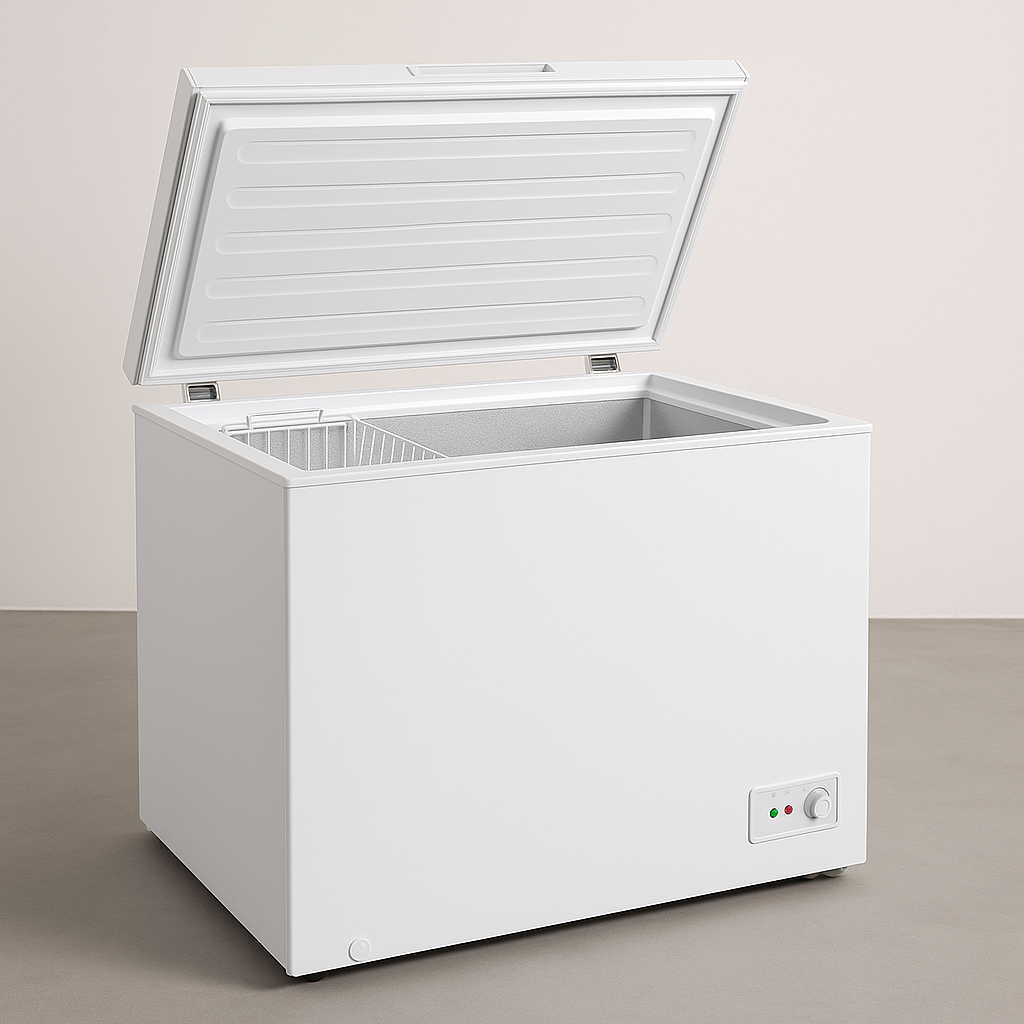
Is it better to buy a brand-new chest freezer or an older design?
More recent designs are typically more energy-efficient due to improvements in technology and design. While older designs might have a lower in advance cost, they might cause greater electrical power bills in time.
Investing in an energy-efficient chest freezer uses many benefits, from cost savings to better food storage. By comprehending the key features, comparing designs based on energy intake, and following best practices for upkeep and usage, consumers can make educated choices that benefit both their wallets and the environment. Before buying, consider your particular requirements and requirements, and keep in mind to look for those all-important energy efficiency labels.
