This company has no active jobs
0 Review
Rate This Company ( No reviews yet )

Shipping Container Depot
(0)Information Company
- Total Jobs 0 Jobs
- Full Address Sonnenbergstr 145
Something About Company
9 Lessons Your Parents Teach You About Freight Containers
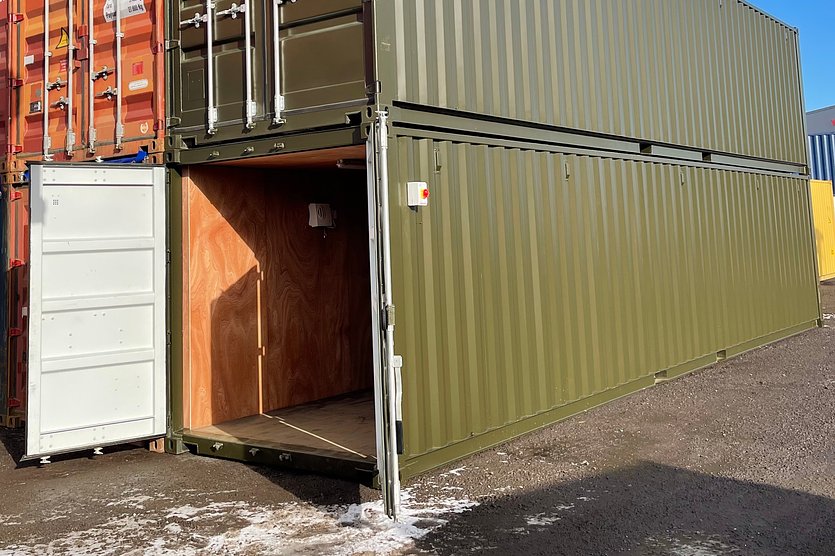
Understanding Freight Containers: The Backbone of Global Trade
In the modern world of logistics and transport, freight containers act as the unrecognized heroes that assist in the smooth movement of items across borders. Set up on ships, trucks, and trains, they play an essential function in the worldwide economy, making sure that items from numerous corners of the Earth assemble in markets to fulfill customer demands. This post will delve deep into the complexities of freight containers, their types, applications, benefits, and future potential customers.

What Are Freight Containers?
Freight containers, likewise called shipping containers, are standardized, reusable vessels for carrying items and products. Built mainly from steel and aluminum, these containers are developed to hold up against extreme ecological conditions while ensuring the security and security of their contents. Their standardization has actually revolutionized the shipping industry, helping with intermodal transport– moving containers seamlessly from ships to trucks to trains without unloading the goods.
Kinds Of Freight Containers
Freight containers come in various sizes and shapes, each tailored to satisfy particular shipping requirements. Below is a comprehensive table summing up the most common kinds of freight containers:
| Container Type | Dimensions (Length x Width x Height) | Capacity | Usage |
|---|---|---|---|
| Standard Dry Box | 20′ x 8′ x 8.5′ & & 40′ x 8′ | x 8.5′ 28-60 cubic meters | General cargo, non-perishable products |
| High Cube Container | 40′ x 8′ x 9.5′ | 67 cubic meters | Larger cargo, including some disposable products |
| Refrigerated Container | 20′ x 8′ x 8.5′ & & 40′ x 8′ | x 8.5′ 28-60 cubic meters | Disposable items, pharmaceuticals |
| Open Top Container | 20′ x 8′ x 8.5′ & & 40′ x 8′ | x 8.5’28-60 cubic meters | Heavy or high cargo like machinery |
| Flat Rack Container | 20′ & & 40′ | 20-40 cubic meters | Heavy loads, steel, and machinery |
| Tank Container | 20′ | 26,000 liters | Liquid cargo like chemicals and food items |
The Role of Freight Containers in Global Trade
Freight containers have actually substantially changed global trade. Their standardization enables multiple shipping and transport modes to team up without dealing with compatibility concerns. Some crucial roles freight containers play consist of:
- Efficient Transportation: Containers permit the effective loading, dumping, and transfer of products across numerous transport modes, decreasing time invested in transit.
- Cost-Efficiency: Their consistent size makes it possible for efficient usage of space, resulting in lower shipping costs. Shipping business can transport more goods in each trip, decreasing total shipping expenses.
- Security: Containers use a safe and secure environment for products, decreasing the danger of theft or damage during transit. Their sealed design prevents tampering.
- Environmentally Friendly: By optimizing transport routes and logistics, containers add to reduce carbon emissions, making freight transport more sustainable.
The Impact of Technology on Freight Containers
As technology continues to evolve, so too does the landscape of freight containers. Here are numerous technological advancements affecting their usage:
- IoT Integration: The Internet of Things (IoT) is reinventing freight monitoring. IoT-enabled containers can offer real-time tracking details and environmental information (such as temperature and humidity) for delicate cargo.
- Blockchain: This technology provides protected, tamper-proof records of deals and ownership, boosting transparency in the supply chain and potentially minimizing fraud.
- Automation and AI: Automation in storage facilities and ports accelerate the processing of containers, while AI evaluates shipping patterns to improve effectiveness.
Obstacles in Freight Container Shipping
Regardless of their lots of advantages, freight containers deal with a number of difficulties that market stakeholders need to resolve:
- Port Congestion: Increased shipping traffic can result in blockage at ports, postponing the discharging and transport of containers.
- Regulatory Issues: Compliance with various worldwide shipping laws and policies can be made complex and might hinder efficiency.
- Danger of Damage: While containers are robust, they can still sustain damage from rough handling, unfavorable weather condition, or improper stacking.
FAQ about Freight Containers
1. What products are freight containers made from?Freight containers are mainly made from steel and aluminum, which offer resilience and resistance to ecological aspects.
2. How are containers carried?Containers can be transferred by ships, trucks, and trains, permitting intermodal shipping without needing to unload cargo.
3. What is the distinction between a dry container and a refrigerated container?A dry container is used for non-perishable products, while a refrigerated container (likewise understood as a reefer) keeps particular temperature levels for perishable products.
4. How does containerization affect shipping costs?Containerization increases shipping effectiveness by optimizing space and lowering loading/unloading times, which equates to lower per-unit shipping costs.
5. Can freight containers be modified for particular uses?Yes, freight containers; www.dariusardoin.top, can be modified for different functions, consisting of mobile workplaces, storage units, and even homes.
Freight containers are essential to the worldwide trade ecosystem, offering a dependable, efficient, and protected approach for transferring items across huge ranges. Their effect can be felt throughout numerous industries, from agriculture to innovation, and their continued advancement promises to improve logistics even more. While difficulties continue, improvements in innovation and an ever-increasing need for products will make sure that freight containers stay at the leading edge of modern-day commerce.
In conclusion, comprehending freight containers is essential for anyone participated in international trade or logistics, as they are the backbone of an interconnected international economy.
