This company has no active jobs
0 Review
Rate This Company ( No reviews yet )

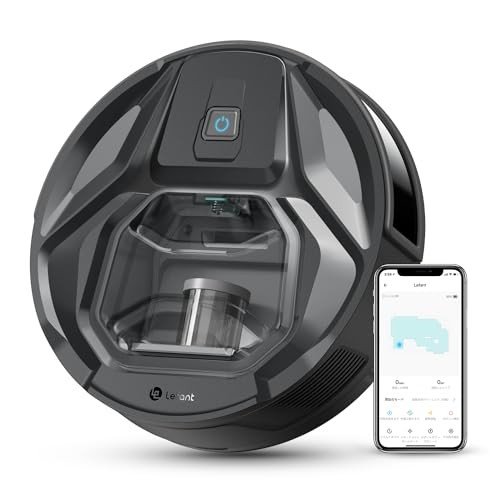
Self Cleaning Vacuum Cleaner
(0)Information Company
- Total Jobs 0 Jobs
- Full Address Rua Ji-065 1575
Something About Company
15 Best Robot Vacuum Cleaner Bloggers You Should Follow
The Rise of the Autonomous Cleaner: A Deep Dive into Robot Vacuum Cleaners
In today’s busy world, efficiency and benefit are vital. As innovation advances, it seamlessly weaves its method into our lives, automating jobs and maximizing valuable time. One such innovation that has transformed family chores is the robot vacuum. These smart devices have actually moved beyond novelty gizmos, becoming important tools for maintaining clean homes with very little effort.
Robot vacuum cleaners are no longer a futuristic dream; they are a tangible truth, easily available and progressively advanced. They represent a considerable shift in how we approach cleaning, permitting us to reclaim our weekends and evenings from the drudgery of vacuuming. This post digs into the world of robot vacuum cleaners, exploring their inner functions, the various types readily available, the benefits they provide, and the crucial considerations when choosing the right one for your home.
How Do These Little Cleaning Robots Work?
At their core, robot vacuum are marvels of engineering, combining various innovations to navigate and tidy autonomously. They are essentially miniature, self-propelled vacuum geared up with sensing units, motors, and advanced software application. While models differ in intricacy, the essential principles stay consistent:
-
Navigation and Mapping: Early robot vacuums depended on bump-and-go navigation, randomly bouncing around until the entire floor was covered. Modern iterations are much more intelligent. Lots of use advanced innovations such as:
- Infrared Sensors: These sensing units detect challenges and walls, allowing the robot to change direction and avoid collisions.
- Cliff Sensors: Located on the underside, these sensors prevent the robot from falling down stairs or off ledges.
- Gyroscopes and Accelerometers: These internal sensing units track the robot’s movement and orientation, improving navigation precision.
- Visual Simultaneous Localization and Mapping (vSLAM): Higher-end designs utilize electronic cameras and advanced algorithms to produce a map of the home in real-time. This allows for methodical cleaning courses and targeted cleaning.
- LiDAR (Light Detection and Ranging): Another innovative mapping innovation using laser beams to produce extremely precise maps of the environment. LiDAR-equipped robots are typically more effective in low-light conditions.
-
Suction and Cleaning Systems: Just like traditional vacuum cleaners, robot vacuums use suction to lift dust, dirt, and debris from floors. They usually feature:
- Main Brushroll: A rotating brush roll at the bottom agitates carpets and sweeps debris towards the suction inlet. Some models have actually specialized brush rolls for different floor types.
- Side Brushes: These extend out to clean along edges and corners, effectively sweeping particles into the course of the primary brushroll.
- Suction Motor: The power of the suction motor determines the cleaning effectiveness, particularly on carpets and for pet hair. Suction power is frequently measured in Pascals (Pa).
- Filtration Systems: Most robot vacuums use filters to trap dust and irritants, improving air quality. HEPA filters are especially effective at catching fine particles.
-
Battery and Charging: Robot vacuums are powered by rechargeable batteries, generally Lithium-ion. Battery life differs depending on the model and settings, varying from 60 to 120 minutes or more on a single charge. When the battery is low, or after completing a cleaning cycle, many robotics instantly go back to their charging dock.
A Spectrum of Cleaning Capabilities: Types of Robot Vacuum Cleaners
The marketplace for robot vacuum is varied, providing models with varying features and rate points to accommodate various requirements and budget plans. Here are some typical categories:
-
Basic Robot Vacuums: These entry-level designs concentrate on core cleaning functionality. They typically include bump-and-go navigation, fundamental suction, and timers for arranged cleaning. They are ideal for smaller sized homes or those new to robot vacuum technology.
-
Smart Mapping Robot Vacuums: Equipped with vSLAM or LiDAR, these robots develop in-depth maps of your home. This allows systematic cleaning patterns, room-by-room cleaning, “no-go zones” that you can define in an app, and even targeted area cleaning. They are substantially more efficient and comprehensive than fundamental models.
-
Robot Vacuum and Mop Combos: These versatile gadgets integrate vacuuming and mopping performances. They generally have a water tank and a mopping pad accessory. While they may not replace devoted mops for deep cleaning, they are excellent for maintaining difficult floorings and light mopping.
-
Self-Emptying Robot Vacuums: A game-changer for convenience, self-emptying robots go back to a docking station that not just charges them however likewise instantly clears their dustbin into a bigger, sealed container. This significantly lowers the frequency of manual dustbin emptying, often long lasting weeks or even months.
-
Pet-Specific Robot Vacuums: Designed to tackle pet hair successfully, these models typically include stronger suction, tangle-free brush rolls, and boosted purification to catch allergens and pet dander.
The Plethora of Perks: Benefits of Robot Vacuum Cleaners
The appeal of robot vacuum stems from the many advantages they offer, considerably simplifying home cleaning routines:
-
Time Savings: Perhaps the most considerable benefit is the time saved. Robot vacuums handle floor cleaning autonomously, maximizing your time for more pleasurable activities or other vital tasks.
-
Convenience and Automation: Set a cleaning schedule, and your robot vacuum will automatically clean your floorings, even when you are away from home. This effortless cleaning contributes to a consistently cleaner home environment.
-
Consistent Cleaning: Robot vacuums can clean more often than manual vacuuming, maintaining a higher level of tidiness. Regular, automated cleaning can avoid dirt and dust accumulation, particularly in hectic households.
-
Pet Hair Management: For pet owners, robot vacuums are indispensable. They efficiently deal with pet hair on numerous floor types, lowering allergens and keeping homes cleaner. Pet-specific models are particularly proficient at this task.
-
Reaching Under Furniture: Their low profile permits robot vacuums to clean under beds, sofas, and other furnishings, areas frequently missed with traditional vacuums.
-
Smart Home Integration: Many modern robot vacuums can be controlled via mobile phone apps and integrated with smart home environments like Alexa or Google Assistant, offering voice control and advanced scheduling options.
Navigating the Selection Process: Factors to Consider When Choosing
Selecting the Best robot vacuum uk robot vacuum cleaner (https://Medatube.ru/) robot vacuum requires mindful factor to consider of your specific needs and home environment. Here are crucial factors to evaluate:
-
Budget: Robot vacuum costs differ significantly based on functions and brand. Determine your spending plan and prioritize functions that are most crucial to you.
-
Home Size and Layout: Larger homes with intricate designs benefit from smart mapping robotics with longer battery life. Smaller apartment or condos might be properly served by basic models.
-
Floor Types: Consider the types of flooring in your home. Houses with mostly tough floors may focus on mopping capabilities, while carpeted homes will require more powerful suction and reliable brush rolls.
-
Features and Functionality: Think about preferred functions like:
- Navigation System: Bump-and-go vs. smart mapping (vSLAM or LiDAR).
- Suction Power: Consider your floor types and pet ownership needs.
- Battery Life: Ensure it’s enough to clean your whole home on a single charge.
- Self-Emptying Bin: For optimum convenience.
- Mopping Functionality: If you want to integrate vacuuming and mopping.
- Smart Features: App control, scheduling, virtual walls, room-by-room cleaning, voice control.
-
Pet Ownership: If you have family pets, prioritize designs created for pet hair, with strong suction, tangle-free brush rolls, and reliable filtering.
-
Noise Level: Robot vacuums do produce noise. Check noise levels if you are particularly conscious sound or prepare to run the vacuum while in the house.
Maintaining Your Autonomous Assistant: Care and Upkeep
To guarantee your robot vacuum runs effectively and lasts longer, regular upkeep is essential:
-
Empty the Dustbin Regularly: Even self-emptying models need periodic emptying of the base station container. For non-self-emptying models, empty the dustbin after each cleaning cycle or as needed.
-
Clean the Brush Rolls and Side Brushes: Hair, debris, and threads can collect on the brushes. Frequently get rid of and clean them to maintain ideal cleaning performance.
-
Change Filters Periodically: Filters need to be replaced according to the manufacturer’s suggestions to preserve effective filtering and suction.
-
Clean Sensors: Wipe sensing units with a soft, dry fabric to make sure accurate navigation and barrier detection.
-
Check for Obstructions: Before running the robot, clear any little items, cords, or loose carpets that could get tangled in the brushes or block the robot’s path.
The Future is autonomous vacuum Cleaning
Robot vacuum innovation is continually progressing. We can expect to see additional advancements in navigation, cleaning power, synthetic intelligence, and combination with smart home systems. Future robotics might be a lot more tailored, learning cleaning choices, adjusting to various floor types instantly, and even recognizing and preventing particular barriers.
Conclusion: Embracing the Convenience of Robot Vacuums
Robot vacuum have changed the landscape of home cleaning, providing unprecedented convenience, time cost savings, and consistent tidiness. From basic models to sophisticated smart mapping robotics with self-emptying abilities, there is a robot vacuum to match every home and way of life. By comprehending their functions, benefits, and upkeep requirements, you can choose the best robotic hoover autonomous cleaner to streamline your life and delight in a regularly cleaner home with minimal effort. Accept the future of cleaning and let a robot vacuum uk vacuum reclaim your time and simplify your chores.
Regularly Asked Questions (FAQs) about Robot Vacuum Cleaners
Q1: Are robot vacuum as reliable as traditional vacuums?
A: Modern robot vacuums, particularly higher-end models, can be extremely reliable at cleaning different floor types. While they may not have the raw power of some high-end upright vacuums for deep cleaning heavy carpets, they stand out at daily maintenance cleaning and are typically sufficient for many family needs, especially on hard floorings and low-pile carpets.
Q2: How long do robot vacuum cleaners last?
A: The life expectancy of a robot vacuum depends upon the brand, design, use, and upkeep. Typically, you can anticipate a great quality robot vacuum and cleaner vacuum to last for 3-5 years or perhaps longer with appropriate care. Battery life is a crucial element, and batteries may need replacement after a couple of years.
Q3: Can robot vacuum cleaners damage furniture or walls?
A: Most contemporary robot vacuums have sensing units to spot barriers and prevent collisions. Nevertheless, it’s still recommended to clear clutter and delicate objects from the robot’s course. Some models enable you to set up virtual walls or no-go zones to avoid them from getting in specific locations.
Q4: Are robot vacuum noisy?
A: Robot vacuums do produce sound, however generally, they are quieter than standard upright vacuums. Noise levels vary between designs and suction settings. Search for models with lower decibel ratings if noise is a concern.
Q5: Can robot vacuum cleaners tidy pet hair effectively?
A: Yes, lots of robot vacuums are designed specifically for pet hair and are very efficient at selecting it up from different floor types. Try to find models with strong suction, tangle-free brush rolls, and HEPA filters to trap pet irritants.
Q6: Do I still need a regular vacuum if I have a robot vacuum?
A: For a lot of homes, a robot vacuum can substantially minimize the requirement for regular vacuuming. Nevertheless, you may still need a traditional vacuum for area cleaning, deep cleaning carpets, or cleaning furniture and upholstery, depending upon your specific cleaning requirements.
Q7: How much do robot vacuum cost?
A: Prices vary extensively, varying from under ₤ 200 for fundamental designs to over ₤ 1000 for high-end designs with advanced features like smart mapping, self-emptying, and mopping.
Q8: Are robot vacuum cleaners worth the financial investment?
A: For lots of people, the benefit and time savings provided by robot vacuum cleaners make them a worthwhile investment. They are particularly advantageous for hectic individuals, families with pets, and those who desire to keep a regularly clean home with very little effort.