This company has no active jobs
0 Review
Rate This Company ( No reviews yet )

Registrierten Führerschein Legal Online Kaufen
(0)Information Company
- Total Jobs 0 Jobs
- Full Address 4 Boorie Road
Something About Company
Ten Things You Learned In Kindergarden Which Will Aid You In Obtaining Trike Driver’s License
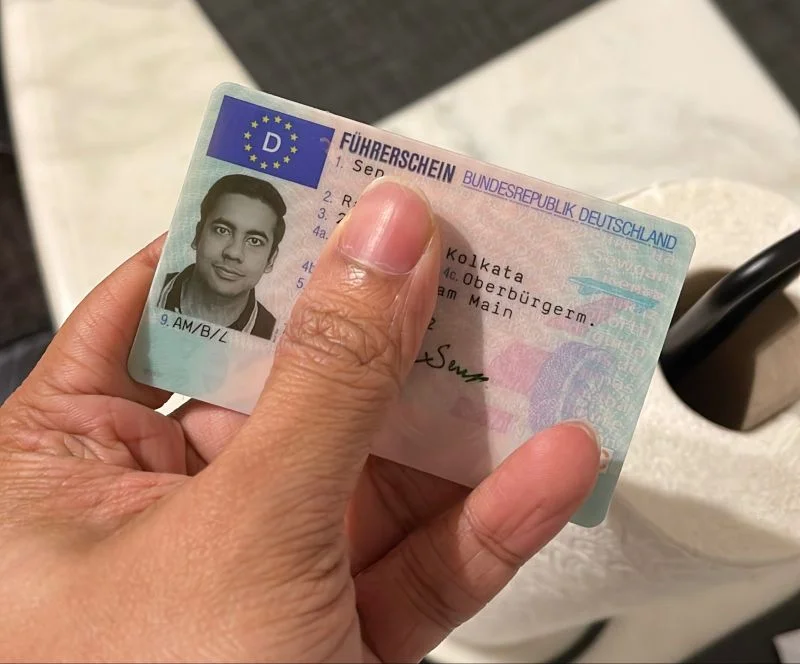
Understanding Trike Driver’s License: A Comprehensive Guide
Recently, tricycles, or “trikes,” have actually acquired enormous appeal as a mode of transport, specifically in urban locations where traffic blockage is a typical concern. With the increasing number of trike riders, it has actually become critical for authorities to impose regulations that ensure safety and compliance with traffic laws. This post offers a detailed summary of what a trike chauffeur’s license entails, who requires it, how to get one, and what policies govern trike operation.
What is a Trike Driver’s License?
A trike chauffeur’s license is a legal document that permits individuals to operate tricycles as a means of transport. This license is necessary to manage using trikes, making sure that motorists are well-informed about traffic laws, security procedures, and functional procedures. Various countries and regions might have varying policies concerning trike licensing, but the core function remains the exact same: to enhance road safety and minimize accidents.

Why is a Trike Driver’s License Important?
- Safety: A trike motorist’s license makes sure that motorists are experienced about roadway signals, führerschein Theorie kaufen traffic laws, and precaution.
- Legal Compliance: Operating a trike without a license can result in fines, charges, or legal repercussions.
- Insurance Eligibility: Many insurer require chauffeurs to have a valid license to guarantee their trikes.
- Accountability: Licensing develops a sense of obligation among motorists, decreasing careless habits.
Who Needs a Trike Driver’s License?
Typically, anybody who means to operate a tricycle on public roadways must possess a valid trike driver’s license. This consists of, however is not restricted to:
- Private Trike Owners: Individuals who own and operate a trike for individual usage.
- Industrial Trike Drivers: Those who drive trikes for a living, such as taxi services or tour operators.
- Learners: Individuals undergoing training programs to discover how to safely operate a trike.
Actions to Obtain a Trike Driver’s License
The procedure for acquiring a trike motorist’s license normally involves numerous steps. While these may differ in between jurisdictions, the following summary supplies a basic method:
1. Eligibility Check
- Age Requirement: Most regions need chauffeurs to be at least 18 years of ages.
- Health Check: A medical exam might be necessary to confirm the applicant’s fitness to drive.
2. Paperwork Preparation
- Government-issued identification (e.g., passport, national ID)
- Birth certificate
- Proof of residency
- Recent passport-sized photos
3. Enroll in a Training Course
- Many areas require prospective motorists to finish a formal training program that covers aspects of trike operation, traffic laws, and defensive driving methods.
4. Pass a Written Examination
- Applicants should pass an assessment covering roadway signs, signals, and guidelines of the road.
5. Pass a Driving Test
- A practical driving test is administered to assess the candidate’s ability to safely operate a trike.
6. Payment of Fees
- Licensing fees vary depending on the jurisdiction and may require to be paid upfront when submitting an application.
7. Receive the License
- Once all tests and requirements are adequately completed, the applicant will receive their trike motorist’s license.
Table 1: Licensing Requirements Comparison
| Parameter | Private Driver | Business Driver |
|---|---|---|
| Minimum Age | 18 years | 21 years |
| Medical examination | Required | Mandatory |
| Training Course | Optional | Required |
| Written Test | Yes | Yes |
| Driving Test | Yes | Yes |
| Fees | Differs | Greater |
Laws Governing Trike Operation
When licensed, trike motorists should stick to numerous guidelines to guarantee their security and the safety of other roadway users. Key guidelines include:
- Helmet Requirement: Many areas mandate that both motorists and guests use helmets.
- Passenger Limit: Trikes might have constraints on the number of guests, generally restricted to a couple of extra riders.
- No Alcohol Consumption: Strict charges apply for operating a trike under the influence of alcohol or drugs.
- Insurance Coverage: Drivers are often required to protect third-party liability insurance.
- Regular Vehicle Inspection: Trikes need to go through routine assessments to guarantee they satisfy security requirements.
Leading Safety Tips for Trike Drivers
- Constantly wear a helmet.
- Follow traffic signals and signs.
- Prevent diversions while driving.
- Preserve a safe range from other lorries.
- Routinely check brakes, lights, and tires.
Frequently Asked Questions about Trike Driver’s License
1. What is the age requirement for getting a trike motorist’s license?
The minimum age is typically 18 years, but some areas may have various requirements.
2. Do I require a special training course to get a trike driver’s license?
Yes, many jurisdictions require a formal training course, particularly for commercial chauffeurs.
3. What files do I require to attend to my application?
Frequently needed files include a federal government ID, proof of residency, and a recent picture.
4. Can I drive a trike with a regular motorcycle license?
In many areas, a routine bike license may cover trike operation, however it is necessary to validate local laws.
5. What are the charges for driving a trike without a license?
Penalties can include fines, neighborhood service, and, sometimes, taking the automobile.
Obtaining a trike chauffeur’s license is a crucial action for anybody aiming to run a tricycle legally and securely. By understanding the requirements, regulations, and obligations that include this license, individuals can add to a more secure roadway environment for everybody. In a period where tricycles are becoming progressively typical, responsible driving practices and compliance with licensing regulations remain vital for promoting security and performance on the roadways.
